
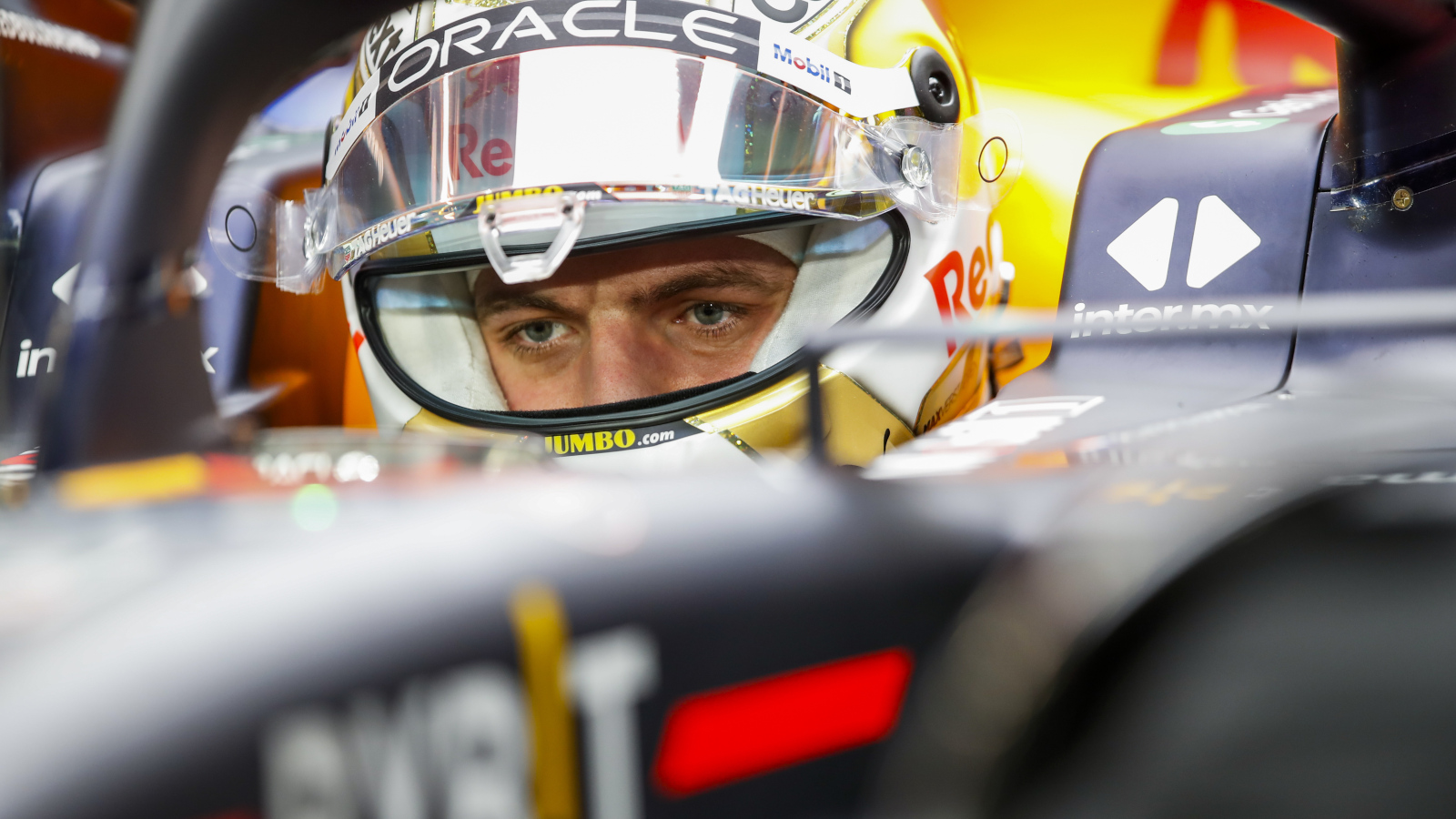
The argument over Formula 1's 2026 rules has moved on from whether they were flawed to who should have stopped it. David Coulthard has pointed at the FIA. The FIA has pointed at the manufacturers — and, unusually, admitted its own rulebook for changing the rules did not work.
Coulthard's complaint is not that the problem existed but that it took a race weekend to be noticed. The cars arrived in Melbourne visibly lifting and slowing on the approach to fast corners because they could not recover enough energy to keep the batteries charged, and F1 rewrote its energy-harvesting limits four rounds later, after Miami.
"The new regs came at us with drivers and engineers going, 'This is not going to be good.' Pretty much silence from everyone else," Coulthard said on the Up To Speed podcast. "We get to Melbourne and we go, 'Ah, they have deceleration as they go towards certain corners.'"
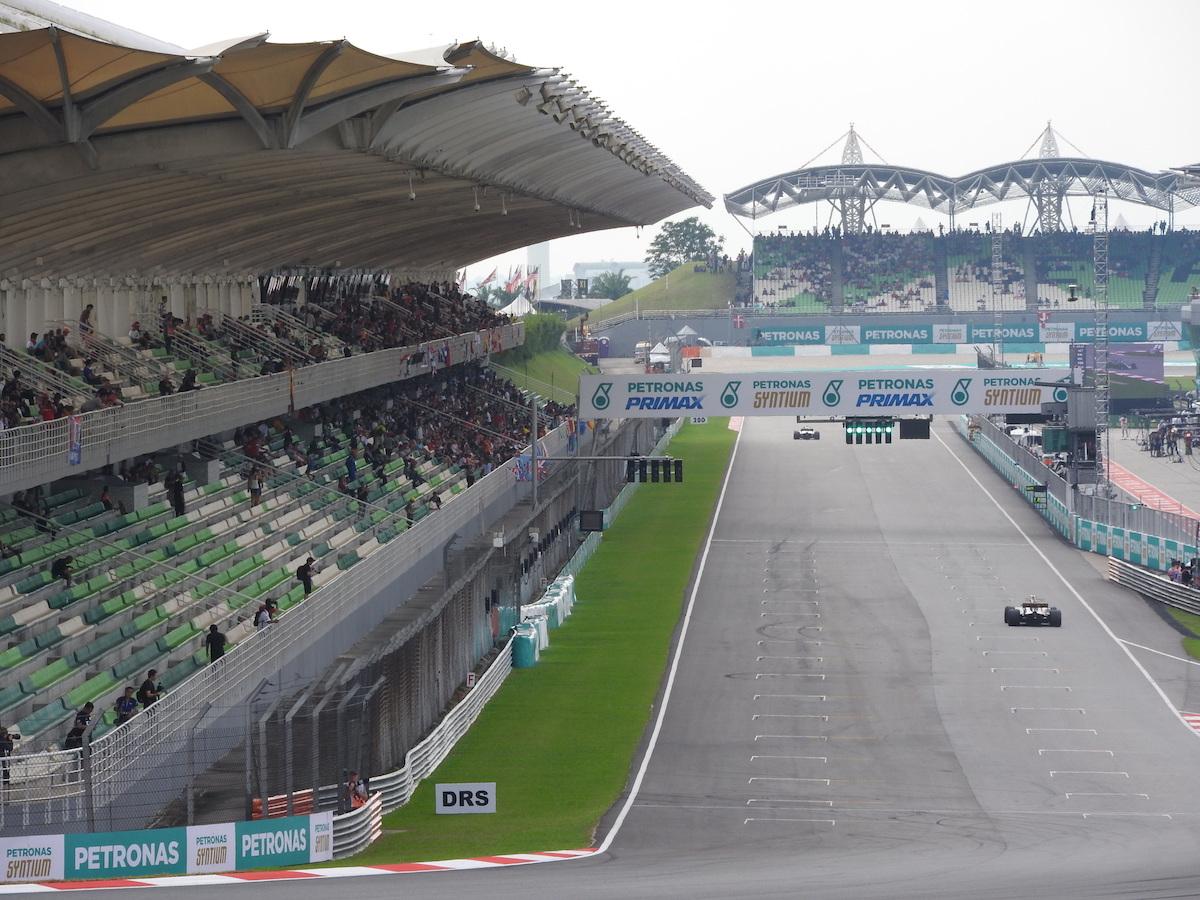
He gave the sport credit for the repair job. "Now, the comeback from that disappointment, I've got to say, from Miami onwards, has been good. The fact that we've had five different winners in the last five Grand Prixs is testament to a varied season."
The credit stopped there.
"I feel that we saw this coming and nobody really was listening, and the fact they had to react to the reality, in a sport that simulates the hell out of the future, was a bit disappointing," the 13-time grand prix winner said. "That has to fall really with the FIA."
Coulthard even scripted the governing body's defence before it made one. "I know they'll get sensitive and go, 'Well, we are a small group of people, and the Formula 1 teams have hundreds of people,' but all of the evidence was there that having 50/50 on electrical and battery was going to be challenging."
His sharpest line was about direction of travel: the split shifts towards the internal combustion engine in 2027 and again in 2028. "What are we doing going forward? We're going to have more internal combustion next year, and suggested even more the year after. To see the obvious and then react is a bit disappointing." He compared the launch of the era to the half-time show at the World Cup final — "a bit of a disappointment".
The FIA's answer, from single-seater director Nikolas Tombazis, rejects the premise that nobody saw it. Speaking to The Race, Tombazis said the governing body did anticipate a lot of what the drivers have since complained about, in the two years before the season launched, and did try to make adjustments. It failed, he said, because of the governance that was in place.
The mechanism he described is the interesting part. Because manufacturers not yet racing were still bound by the 2026 regulations, they were also given a say over changing them.
"If a PU manufacturer who was not participating in F1, let's say Audi, for example, they still had to be bound by the regulations," Tombazis said. "They could not come to us and say, 'Well, you know we're not participating, hence we can spend five times the money', for example. That would have been unfair."
The trade-off was a governance agreement that cut both ways. "On the other hand, it puts limitations as to how much we can change things unilaterally as the FIA. Therefore, any change had to be approved by a significant number of the PU manufacturers. And so, for the sort of changes we did, we needed at least four of them to agree."
That is a governing body saying it wanted to fix the formula before Melbourne and was outvoted by the companies building the engines. Tombazis has argued separately this year that future engine rules cannot be held hostage by power unit manufacturers.
Neither account has quietened the drivers. Max Verstappen raised the alarm on this direction as far back as Austria in 2023; he, Lando Norris and Oscar Piastri have all been critical of battery-led racing this season. Sky's Martin Brundle called for the regulations to be scrapped as soon as possible after Silverstone and Spa, the two circuits where the energy deficit was most brutally exposed. The complaints softened at the Hungaroring, a track that asks far less of the power unit — which is rather Coulthard's point about how much of this was predictable.
Stefano Domenicali continues to insist the fans are enjoying the racing. Mohammed Ben Sulayem has said V8 engines will return by 2031 at the latest. Between now and then, the 50/50 split becomes 60/40 in 2028 — a change nobody is describing as optional.
---