
Formula 1's 2027 rule tweaks were sold as housekeeping - a few dimensional changes to help teams manage energy better under the second year of the new power unit rules. The teams digging into the fine print have found something rather larger.
The changes cluster in three areas: the floor edge, the plank and the rear wing. The rear wing gets around 20mm shallower and the 'rotation brackets' several teams have run above the upper element are outlawed, though a new rear wing pylon brace is permitted in their place. The exhaust wing concept Ferrari pioneered this season, and rivals copied in their own way, is banned outright. Floor leading edge devices drop from a maximum of five to three.
The one nobody can see is the plank. Its front section shrinks from 900mm to 600mm - a change driven partly by FIA concerns that long bib sections under the nose risked intruding on the halo area if a car was lifted in a crash.

That is the change with consequences. Pulling the bib tray back alters how conservative teams have to be about ride height, and Aston Martin technical director Adrian Newey has been blunt about the scale of it.
"The leading edge has been moved by about 300 millimetres, which allows you to run the front of the car lower," Newey said. "That brings a different set of aerodynamic characteristics. The key one for us is that front-of-floor change. It gives everyone a different aero challenge to solve."
Having not got the 2026 car right, Newey sees a door opening rather than closing. "Because we've effectively been forced to grow up quickly as a team over the last 12 months, we're in a much better place to capitalise on the regulation changes than we would have been a year ago," he said.
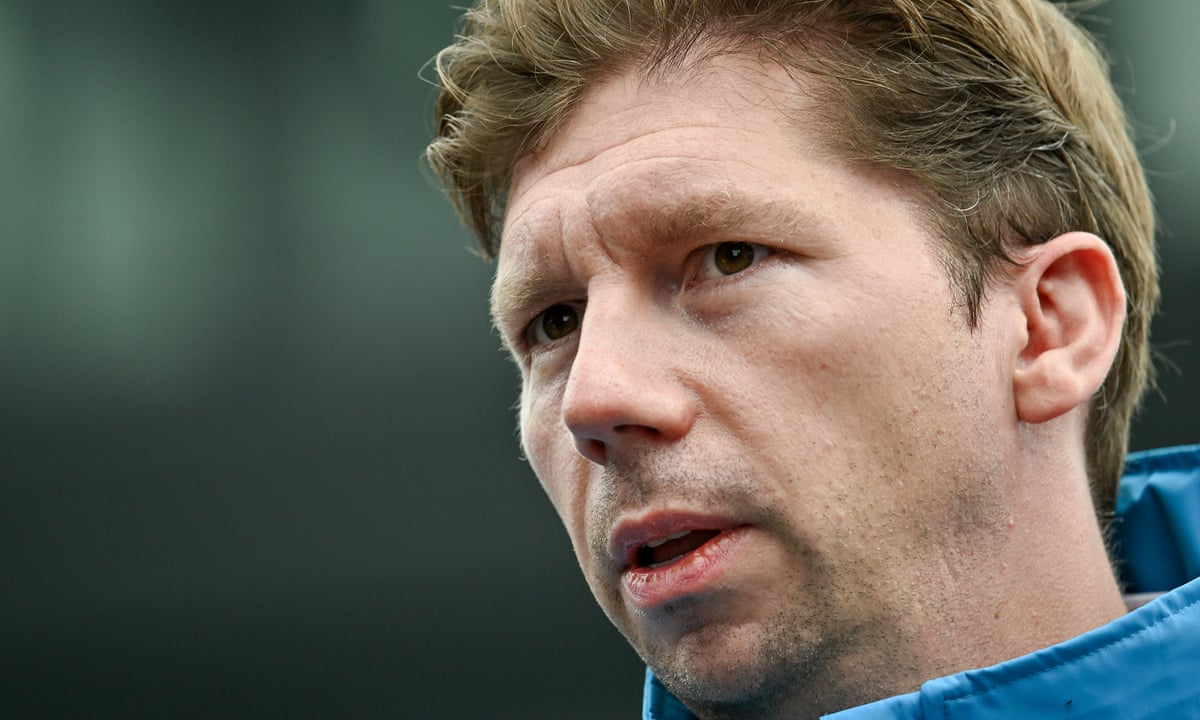
Williams team principal James Vowles, speaking to Sky F1 at Spa, framed the same rules as a cost rather than an opportunity. Asked how significant they were, he did not hedge.

"They are fairly significant," Vowles said. "As a result of that, it isn't really as [much of a] carryover as I think everyone would like. We've already said we're doing a new chassis, and the purpose behind that is it will form part of next year's chassis allocation, but it's a very different way of doing chassis, a very different way of digging into the roots and getting into the performance of the car."
The FIA's single seater director Nikolas Tombazis argues the governing body has deliberately stopped short of clamping down completely. He concedes some of this year's aero battlegrounds caught the FIA off guard.
"We didn't expect, for example, the exhaust solutions to be there," Tombazis told The Race. "There are a few solutions on bodywork that we have already corrected for next year. Overall, we did try to make it still an interesting challenge for the teams to develop the cars. We didn't go to the fully restrictive option, let's say."
On the bigger question - whether the 2026 aero concept has held up where the 2022 rules eventually failed - Tombazis is cautiously satisfied. "I believe we are similar to where we were at the start of the '22 championship, but I think it's a bit more robust this year," he said. "The various aerodynamic solutions they've had, they haven't found something that has broken the concept."
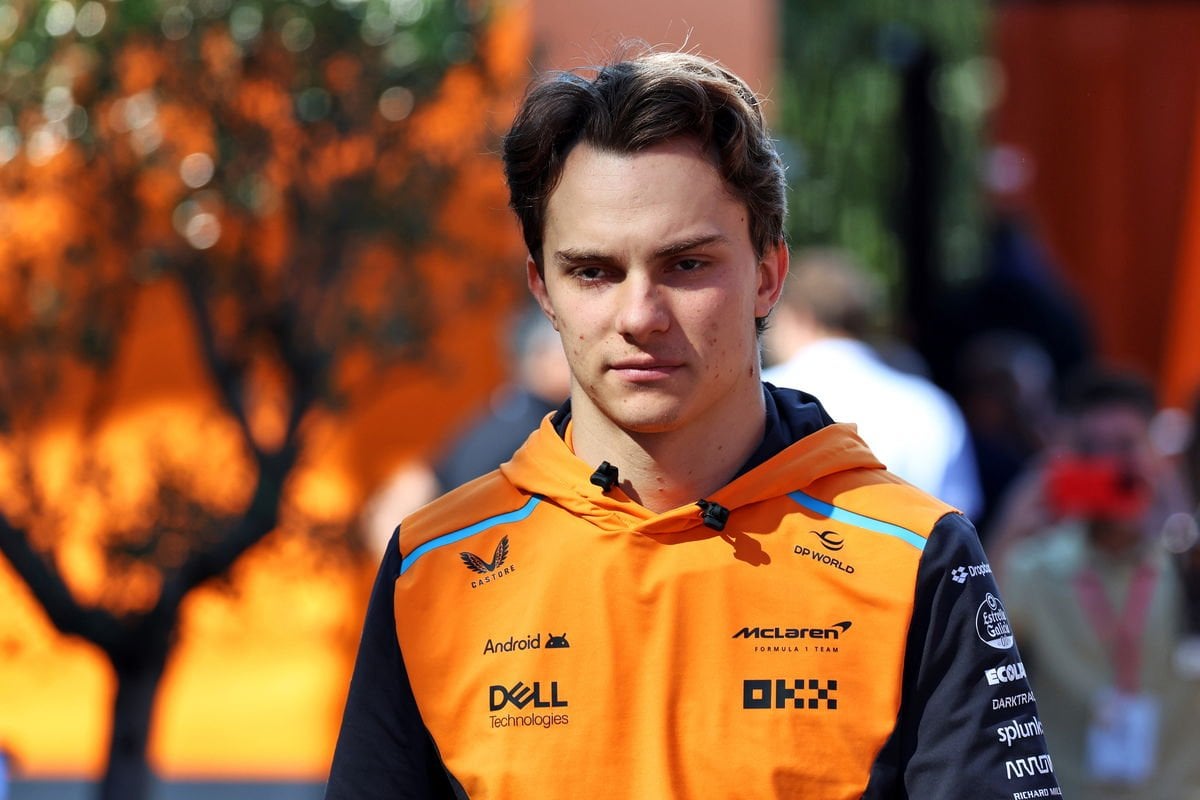
Not everyone accepts that the FIA has been on the front foot. David Coulthard, assessing the season on the High Performance podcast, argued the warnings about the 2026 package were audible long before Melbourne and went unheeded.
"I feel that we saw this coming and nobody really was listening," Coulthard said. "And the fact they had to react to the reality in a sport that simulates the hell out of the future was a bit disappointing and that has to fall really with FIA."
Tombazis does not entirely disagree on the timing, even if he blames the governance structure rather than the FIA's foresight: "I think it's a bit of a shame that we had to wait until then. We discussed things in May to get the package for '27 and for '28. I think we could have ideally done that a couple of years before, and then there wouldn't have been all of this discussion."
Where he and Coulthard genuinely part company is on the diagnosis. Coulthard sees an organisation reacting to problems it should have modelled. Tombazis sees an organisation that modelled them and was outvoted. Either way, the 2027 cars will be built around a 300mm strip of missing plank.
---
*Originally published on [News Formula One](https://newsformula.one/article/f1-s-2027-aero-reset-a-shorter-plank-is-the-real-headache). Visit for full coverage.*