
The most consistent driver complaint of the 2026 season had a fix on the table for the second half of the year. The teams voted it down.
Jon Noble reported for The Race on Thursday that Pirelli had proposed a rule change which would have let it bring minimum tyre pressures back down, potentially as early as the Dutch Grand Prix. It needed a super majority of team support under F1's governance process. It did not get one.
The pressures themselves are a side effect of active aero, not a Pirelli preference. Because a car stuck in corner mode down a straight would generate extreme vertical load at high speed, the higher pressures - frequently 3-4psi up on 2025 depending on the circuit - exist as a failsafe against an active aero failure. Pirelli's proposal removed the failure case rather than the load: if a car could not activate straight mode, it would be shown the black and orange flag after five laps and have to pit, and could not continue if the problem was not fixed.

The FIA considered the idea workable, according to The Race. The resistance came from the garages. Some teams did not want a mid-season pressure change altering the competitive order. Others did not want a good result wiped out automatically by an active aero failure they might otherwise have nursed to the flag for points.
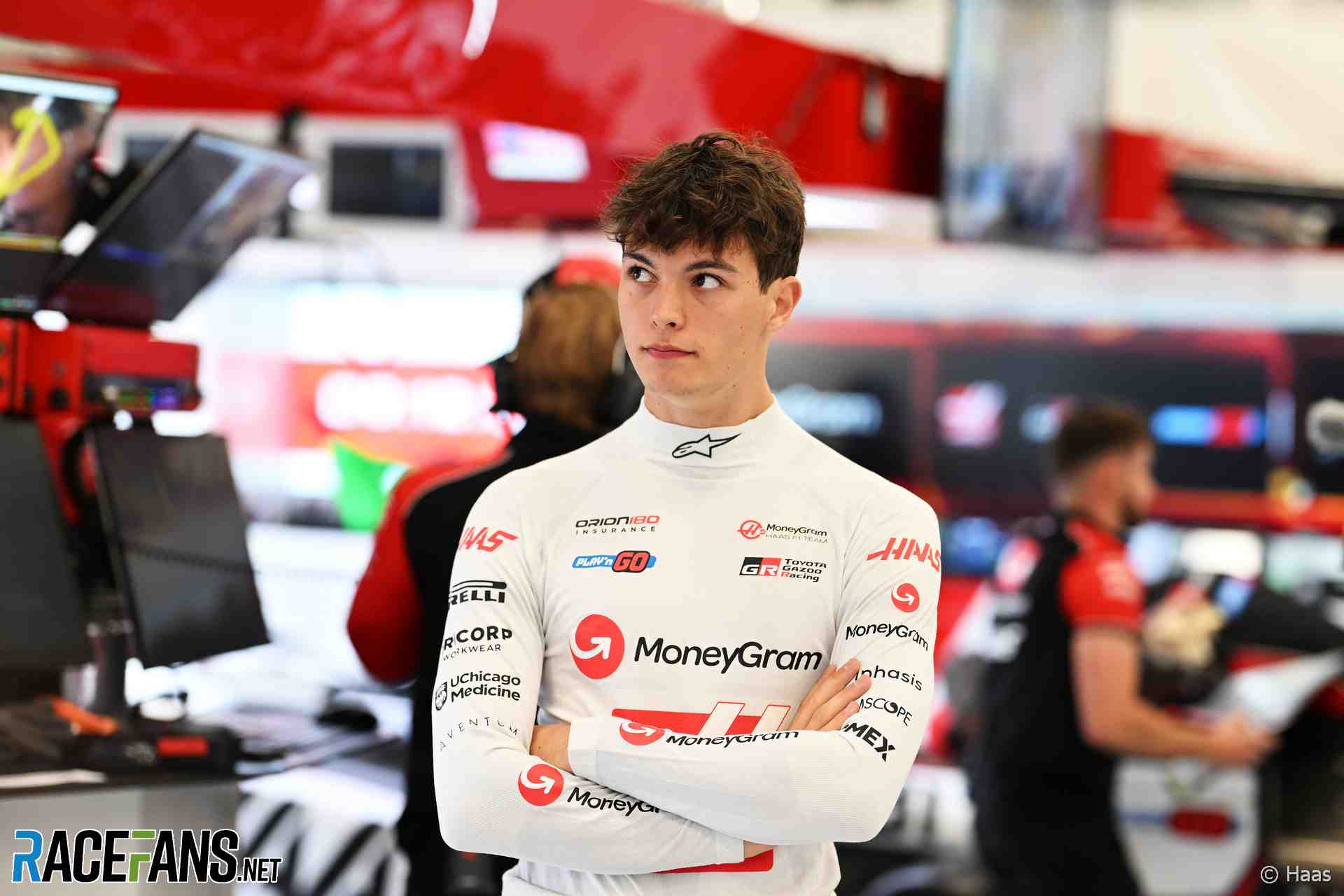
"It's terrible, to be honest," Bearman said. "We have so much air in these tyres now, and it's just an absolute nightmare. The deg is huge, a lot of overheating over a single lap."
He went further on what the combination of 2026 power and 2026 grip actually feels like: "We have so much power under the right foot and so little grip with those huge balloons as tyres that we have."
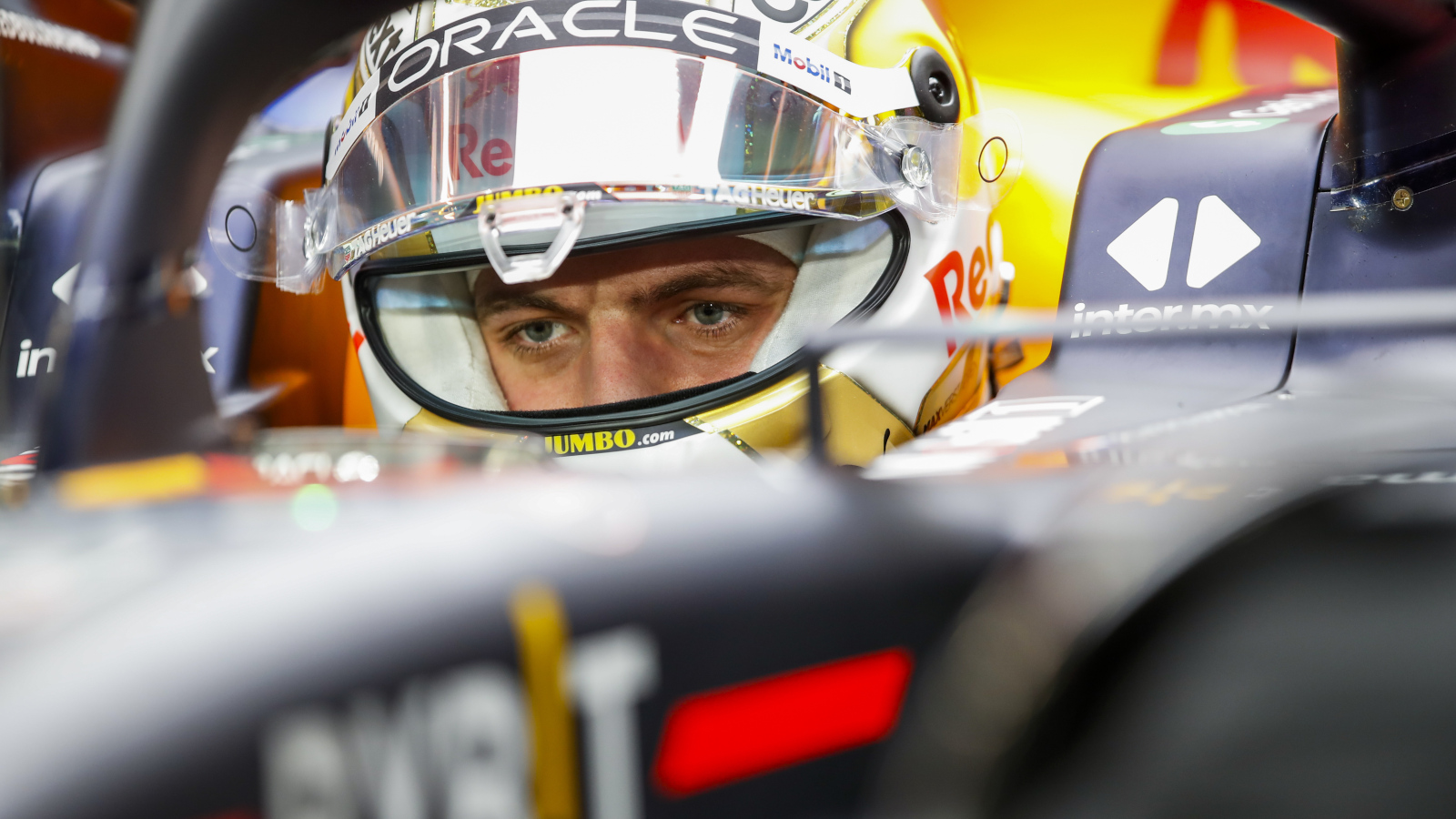
Lewis Hamilton, at the same weekend, called the grip level "probably the lowest grip that we've had here in, I would say, any year that I've been here. The tyres only last one lap." Audi's Nico Hulkenberg predicted "a deg fest on Sunday", and pointed out that at 50C track temperature nothing feels good regardless of the car.
Pirelli chief engineer Simone Berra, whose company would have been the beneficiary of the rule change, was notably relaxed about losing the vote.
"The majority decided to keep the higher pressure and for us, it's fine," Berra told The Race. "We have explained multiple times that the reason [for the high pressures] is the SM [straight mode] condition, which is not happening so often. It is just a matter for us to define which procedure to take into account [when picking the tyre pressures], and we are going to take the worst-case scenario."
Worst-case scenario is doing real work in that sentence. Asked how much lower the pressures could have gone without the active aero risk hanging over them, Berra put a figure on what the teams turned away.
"It can be significant," he said. "It depends on the circuit, basically. It can be a range of 1-3psi, more or less, on the front and rear axle. But it would be possible to lower more the rear axle."
Pirelli has trimmed pressures reactively before - it cut the Barcelona minimums by 1psi front and rear after that Friday's data showed the tyres running beyond their expected stabilised figures. But that is circuit-by-circuit fine-tuning inside the current framework, not the structural change Berra is describing.
The practical outcome: the high pressures stay for the rest of 2026, and on current reading most likely through 2027 as well. Drivers spent the first half of the season describing tyres that lock up on entry, overheat inside a lap and refuse to fire up when it is cold. The people who could have changed that decided the risk to their own results was the bigger problem.
---
*Originally published on [NewsFormula One](https://newsformula.one/article/f1-teams-vote-down-the-fix-for-2026s-balloon-tyres). Visit for full coverage.*