
Formula 1's 2026 power units were meant to make the cars smarter and more efficient. A growing group of drivers now say the sport's self-learning engine software is quietly deciding who beats whom - and they want it on the record that they hate it.
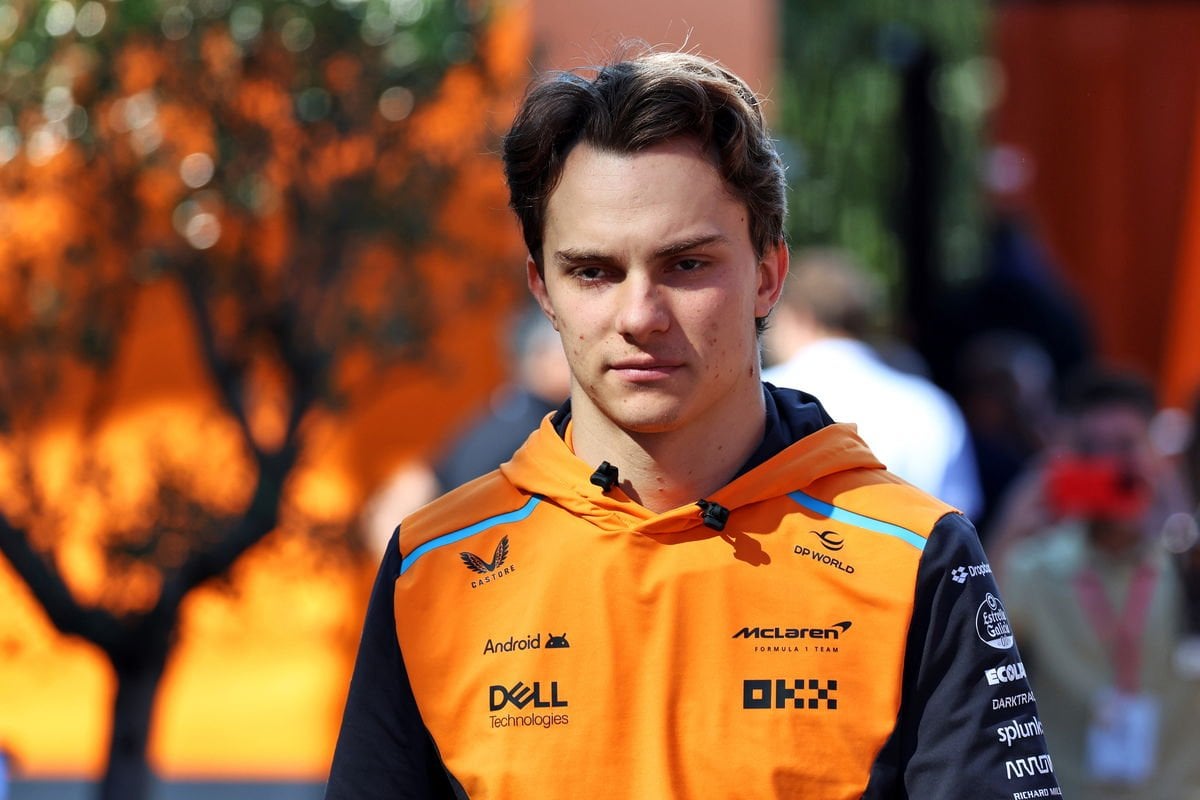
The complaint boiled over at Spa-Francorchamps, an energy-starved circuit that laid bare how much control has slipped out of the cockpit. Oscar Piastri qualified two-tenths behind McLaren team-mate Lando Norris despite running identical settings, a gap the team traced not to the driver but to the engine's autonomous energy-deployment algorithms.
"It sucks. I can't really say it any other way than that," Piastri told Motorsport.com. "When you've got qualifying grids decided by computers behaving or misbehaving, it's a pretty crap way of going racing."
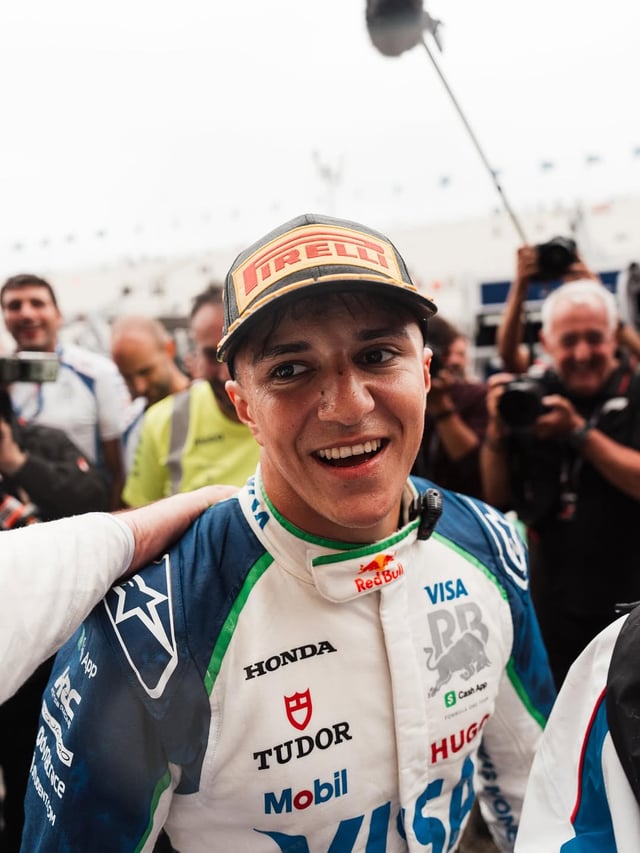
He insisted he was not an isolated case. "I certainly wouldn't have been the only person. I know George has had a lot of issues with that this weekend, and maybe the last couple of weekends. And speaking to some others, it's a similar story."
Norris, for once on the right side of it at Spa, agreed the problem has run all season. "It's not down to the driver," the reigning world champion told Motorsport.com. "It's just down to hoping you get lucky that the power unit does what it should do and doesn't do something silly." He added that it had "been costing me the whole year".
McLaren principal Andrea Stella explained the mechanism: the 2026 units carry self-learning elements that adjust energy deployment lap by lap, and even within a single lap, to anticipate demand. The system is hyper-sensitive. Tiny variations in driver input - or in wind and grip the driver cannot control - snowball into large time swings later in the lap.
Mercedes felt it worst. George Russell, close to tears over a mysterious straight-line deficit at Spa, described the helplessness. "Even on my last lap, for some reason I lost another tenth and a half to myself, just on the straight. You're watching on your steering wheel, just losing speed when you're full gas on the straight. You feel powerless," he told Nine.com.au. "We don't know what's going on. I don't think it's the power unit, to be honest. But there's something slowing us down in the straights."
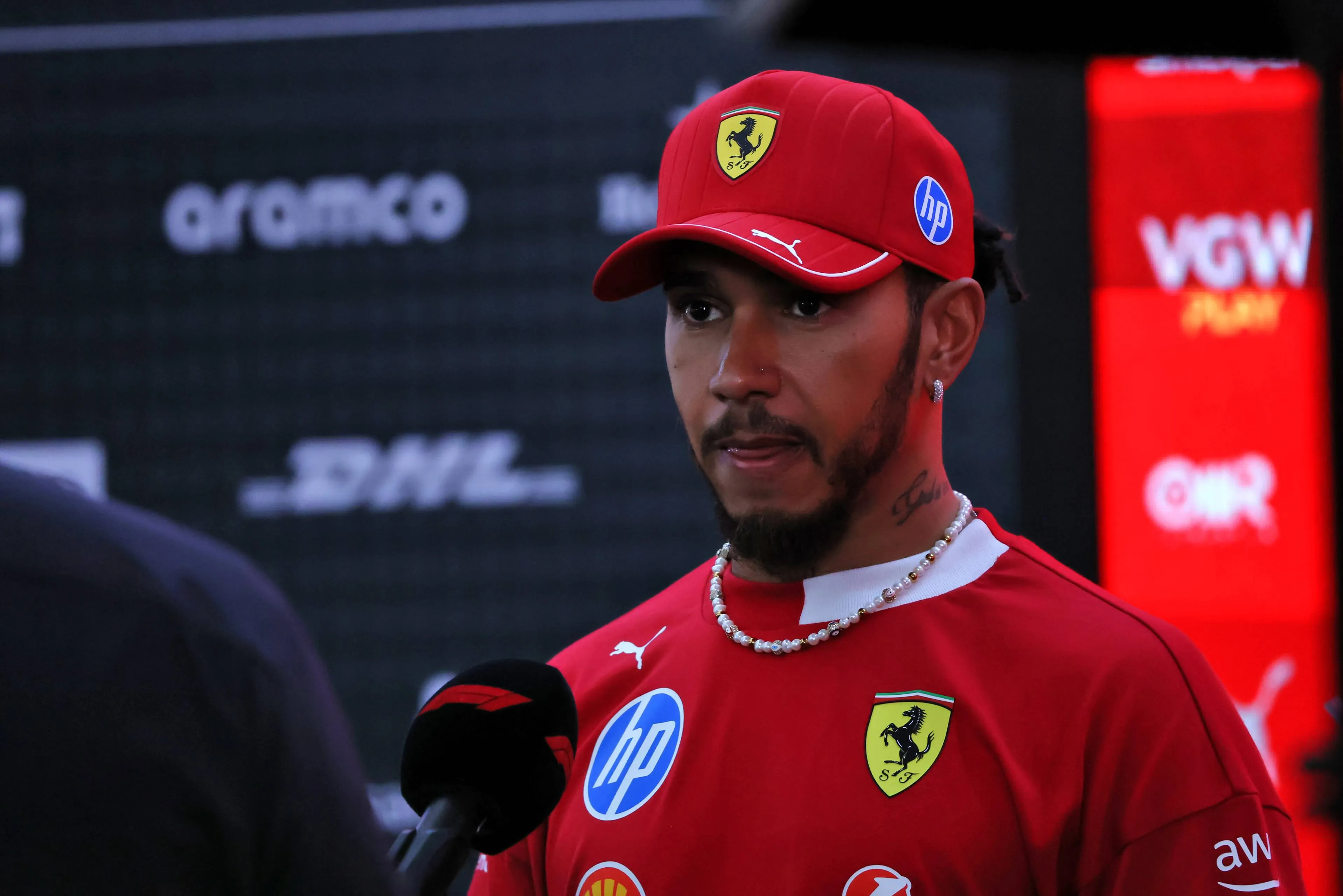
Charles Leclerc, who finished second in the race, said he had spent entire sessions with engineers trying to decode his Ferrari. "These power units are so complex that there are some days when you scratch your head trying to understand why you are losing so much on the straights," he said. "Even when you are doing your best, there are things in the background that change constantly, and that's not so nice."
Writing for The Race, Jon Noble argued the drivers have effectively become hostages to the algorithms, and reported that some teams now switch the self-learning off in qualifying to dodge exactly these swings. Toto Wolff admitted Mercedes was almost fortunate to catch Russell's fault at Spa at all, and might have missed it entirely at an energy-richer track such as this weekend's Hungaroring.
A fix is not obviously close. The planned move toward a 60-40 split between combustion and electrical power by 2028 will ease the energy-starvation, but Piastri does not believe it touches the root cause. "The change in fuel flow and the less deployment are not going to fix those specific issues," he said. "It's to do with how the engine's calibrated, how the engine learns. It's kind of ingrained into these engines."
The worry cuts to F1's identity. As Noble put it, in 2026 it has never been harder to tell who is actually doing the best job - whether a two-tenth gap is talent or a self-learning quirk that denied a driver deployment on one straight. For a sport built on the driver making the difference, that is an uncomfortable question to carry into the summer break.
---
*Originally published on [NewsFormula.One](https://newsformula.one/article/f1-drivers-fear-becoming-hostages-to-2026s-engine-software). Visit for full coverage.*