
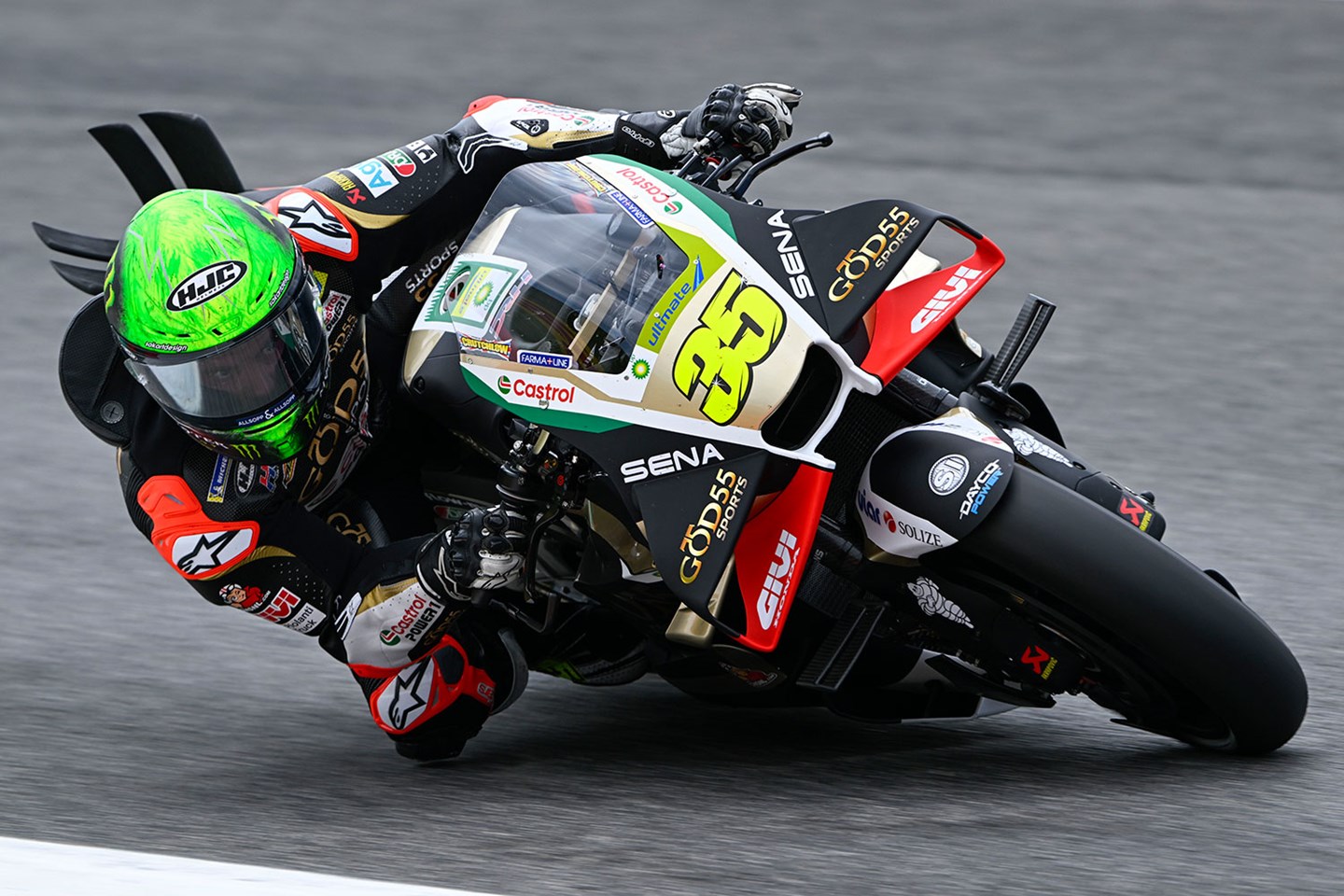
When the MotoGP grid lines up at Silverstone on August 7-9, it will feature exactly one British rider — and he is a 40-year-old test rider filling in for an injured Frenchman.
Cal Crutchlow will contest his home Grand Prix in Castrol Honda LCR colours, extending a substitute stint that began at Mugello in May. He is deputising for Johann Zarco, who crashed heavily at the Catalan Grand Prix. Zarco damaged his anterior and posterior cruciate ligaments and medial meniscus and suffered a minor fracture of the fibula, and is not expected back until Misano in mid-September.
For Crutchlow, Silverstone is personal. He last raced there in 2021, standing in for Yamaha, and his record at the circuit includes pole and a runner-up finish with LCR in 2016, plus five top-seven results across his career. This season has been leaner: six race weekends as Zarco's replacement, no points, and retirements at Mugello and the Sachsenring.
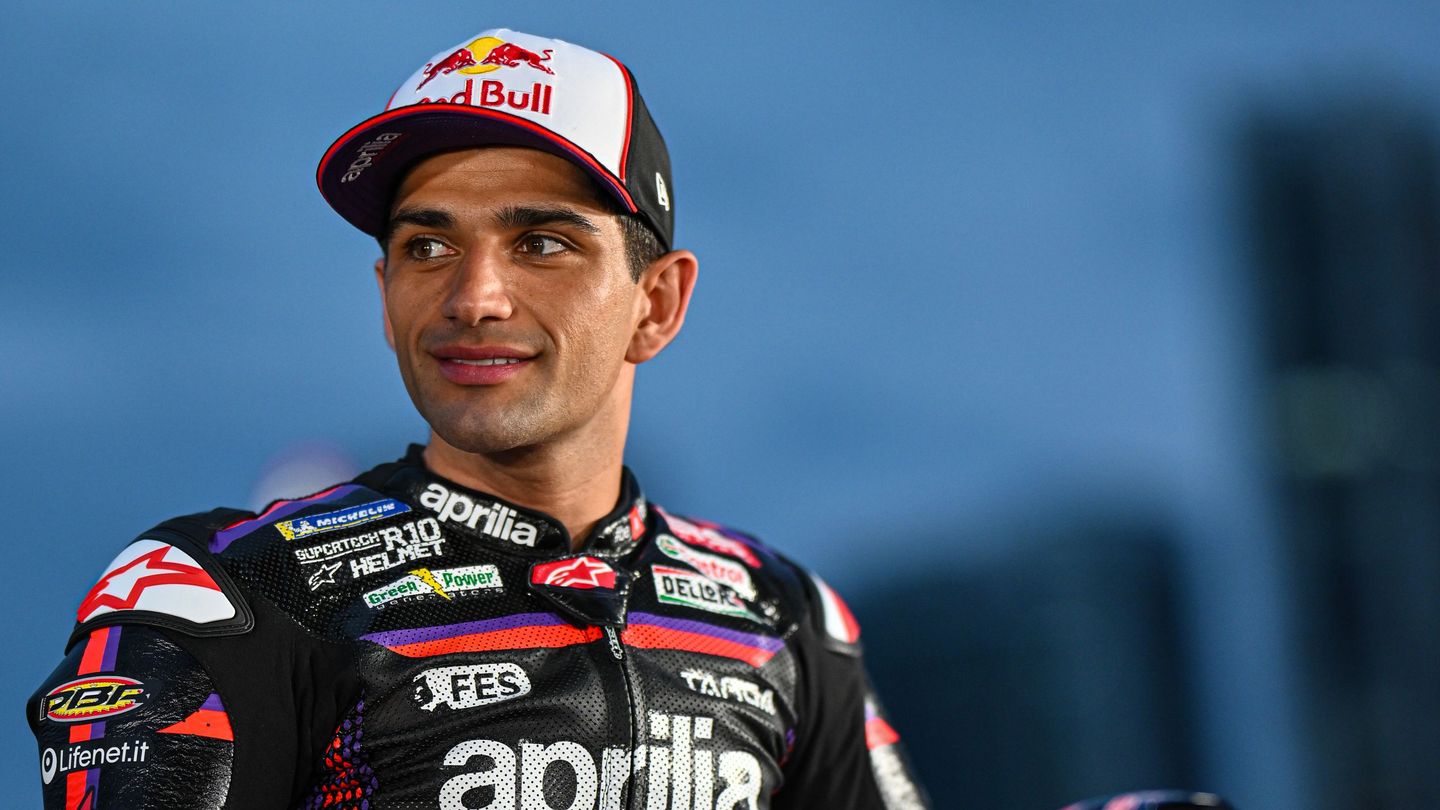
His presence only underlines an awkward truth. Britain has not crowned a premier-class world champion since Barry Sheene in 1977, 49 years ago, and once Zarco returns the world championship may again have no full-time British rider at all.
The pipeline behind Crutchlow is thin. Britain has no riders in Moto2 in 2026 and just two in Moto3, while seven Britons race in World Superbikes. That last figure points to the problem: the domestic ladder funnels talent toward British and World Superbikes rather than the Grand Prix feeder series that Spain's CEV and Italy's CIV championships supply. Ten of the current MotoGP bikes run Italian engines, and manufacturers such as Ducati and Aprilia have every commercial reason to promote homegrown riders.
The cost of that structure is measured in careers that never happened. Jonathan Rea, a six-time World Superbike champion, is the clearest example of a British rider who dominated one paddock but never landed a factory MotoGP seat. "Riders can't make their way in life, you have to go with the opportunities and unfortunately for me I never had that chance," Rea said. Valentino Rossi has described the situation as a "great shame."
Money is the other pressure. British motorsport funding increasingly chases four wheels, where Lewis Hamilton, Jenson Button and Lando Norris have delivered Formula 1 success and the sponsorship that follows. On two wheels, the return has been harder to sell since Sheene's era.
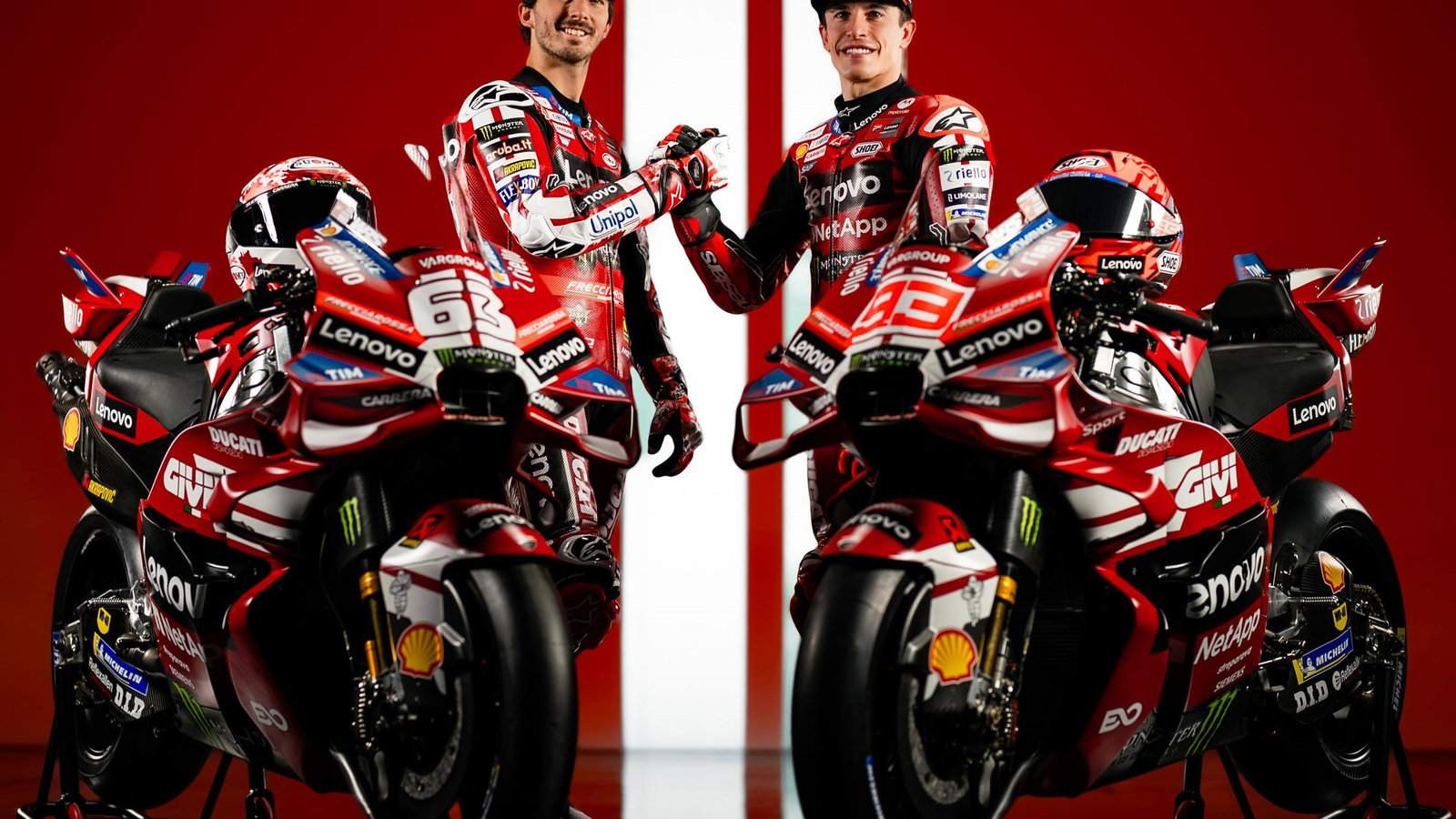
None of that will dampen the Silverstone crowd, one of the biggest on the calendar, or the affection for Crutchlow, a three-time MotoGP winner still quick enough to be trusted with a factory-backed bike at 40. But his cameo is a reminder rather than a revival. Britain was historically one of Grand Prix racing's most successful nations. For now, its talent is racing somewhere else.
---