
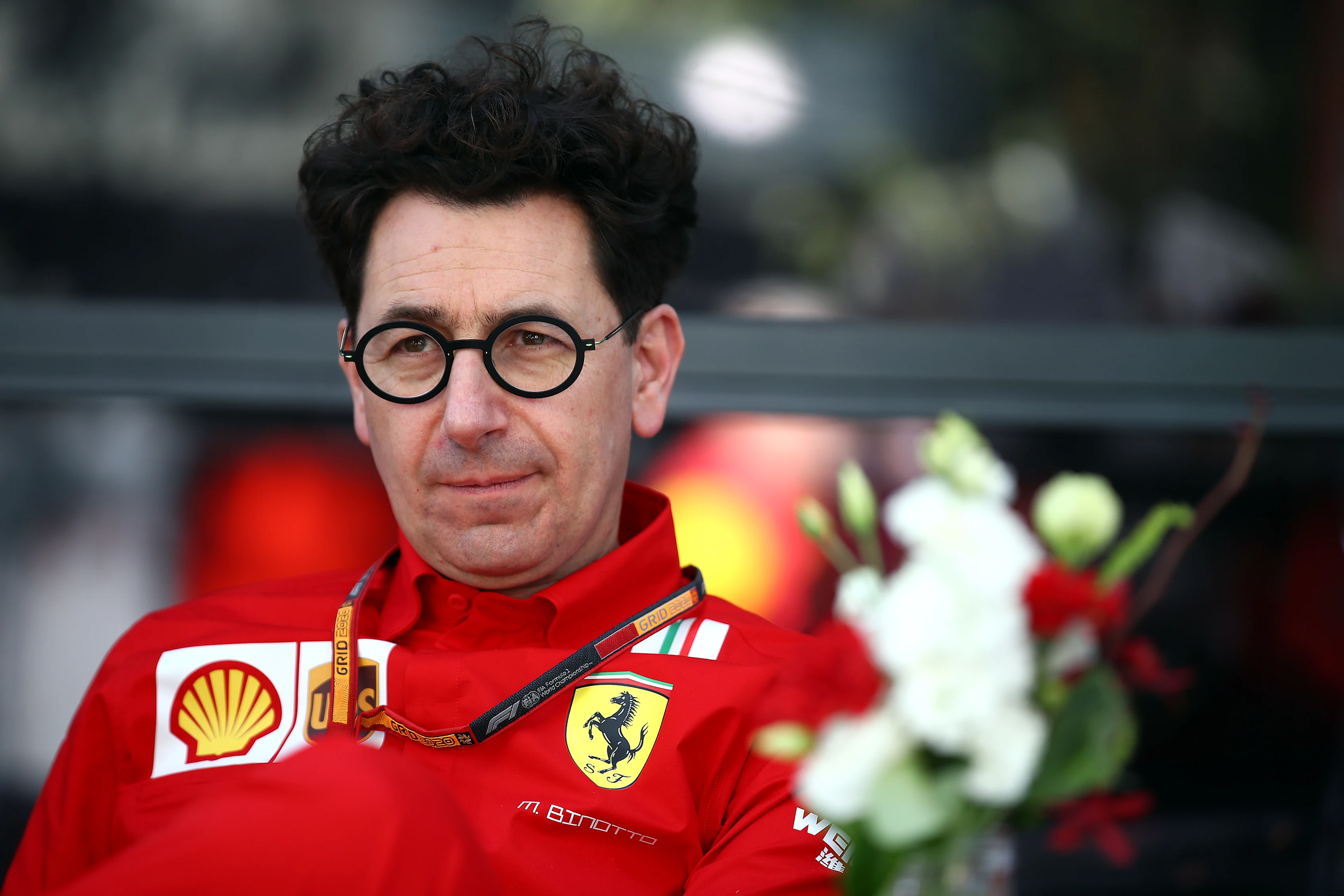
Audi sits ninth in the constructors' championship with two points after seven rounds of its debut season. The team's leadership is unmoved. Speaking to selected media including PlanetF1 over the Monaco Grand Prix weekend, CEO Gernot Dollner said the plan to become a championship contender by the end of the decade has not slipped.
"We are absolutely on that path; to be, for two years, the challenger, then the competitor, and then the fight for the championship target year 2030; that plan is still in place, and we are following it," Dollner said. "This season is where we wanted to be, around where we are right now."
The two-point return flatters to deceive. Audi has qualified in the upper midfield and run with Alpine and Racing Bulls on pace, but races have unravelled. Nico Hulkenberg retired from Barcelona when a stone struck his engine shutdown switch as he battled Liam Lawson, prompting the German to muse that the "racing gods don't want us to score more points."
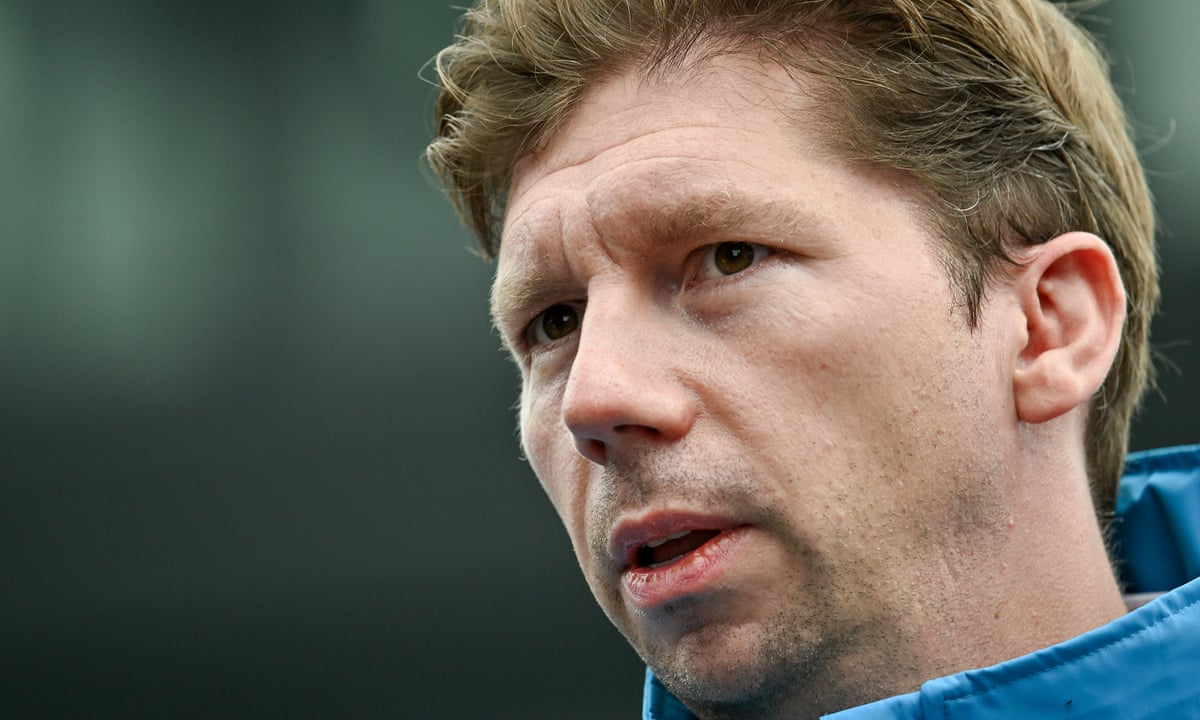
Where Audi agrees with its critics is the engine. Team principal Mattia Binotto, an engine man by background, has been blunt that the power unit — built around a larger turbo — is the project's soft spot, harder to launch off the line and down on outright power. Audi is in line for ADUO concessions, an indication the unit is more than 4% off the combustion baseline of the standard-setting Red Bull Powertrains.
Binotto is realistic about the timeline. "If we are measuring our gaps to the top competitors today, maybe the biggest gap is more from the power unit performance, power unit controls and drivability," he told the Beyond the Grid podcast. He ruled out a quick fix: "to improve our current one to be a better engine or as good as the competitors' engines, we believe that that cannot be possible by 2027, but to reach the right level by 2028."
For Binotto, the real project is cultural, not mechanical. He described inheriting a team that "had been a great team, a fantastic private team in Formula 1, but it was more a matter of participating," and said the hard part is "changing habits, mindsets, behaviours to the people that were used not to spend, not to invest." The 2026 goal, he insists, "is not the number of points. It's the mentality transformation."

That confidence faces a separate fight over F1's next engine. FIA president Mohammed Ben Sulayem is pushing naturally aspirated V8s — "lighter, simpler and more cost-effective," he wrote — for 2030 or 2031. Audi wants turbos retained. "A turbo [is] definitely more important than talking about the number of cylinders," Dollner told the BBC in Monaco. "We prefer turbo due to the efficiency aspect."
Dollner stopped short of calling it a red line, saying there were no current deal-breakers over Audi's participation. The bet is clear: build the team first, fix the engine by 2028, let the chassis carry the rest. Whether that adds up to a title in four years is the question Audi keeps answering with the same date.
---