
Formula 1 heads to Spa-Francorchamps this week for the Belgian Grand Prix, and the paddock's biggest worry sits in the battery, not the corners. After Silverstone laid bare how quickly the 2026 power units run dry on long straights, the sport's fastest, longest lap looms as a tougher version of the same puzzle: where do you spend your electric energy, and where do you simply run out?
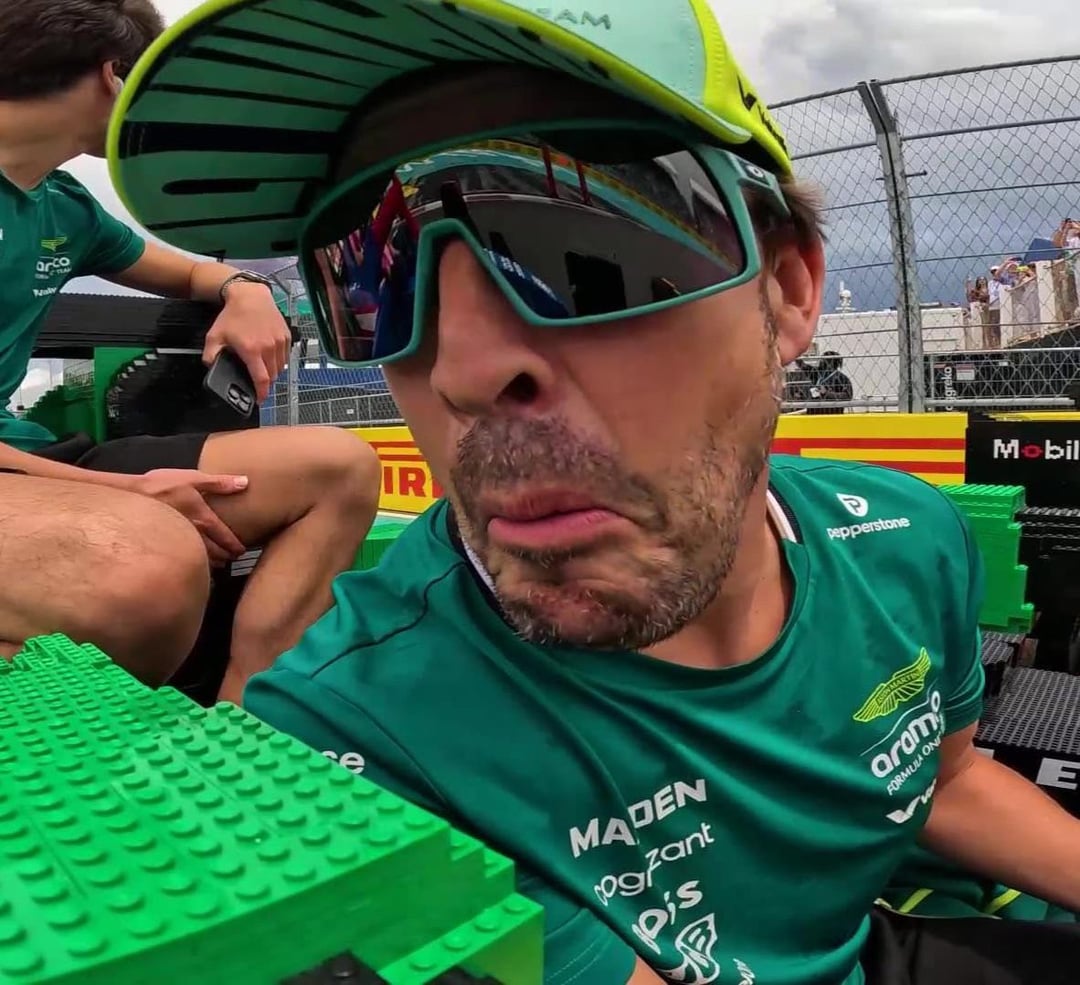
Fernando Alonso has been the most vocal about it. "Silverstone and Spa, they are very thirsty on energy. You cannot deploy in all the straights," the Aston Martin driver said. At Spa the maths gets brutal. "If you deploy in Spa from Turn 1 to 5, it is finito for the rest of the lap," Alonso explained. "You need to save a little bit there to have deployment from 14 to the bus stop. But if you deploy in those two straights, which is the optimal deployment, then there is one minute, sector 2, with no deployment at all."
That trade-off matters because of what happens once the energy is gone. "With no deployment at all, we cannot forget that this year we have significantly less power than last year and less power than F2," Alonso said, a striking admission that a modern F1 car, on the wrong part of the lap, can be down on a Formula 2 machine.
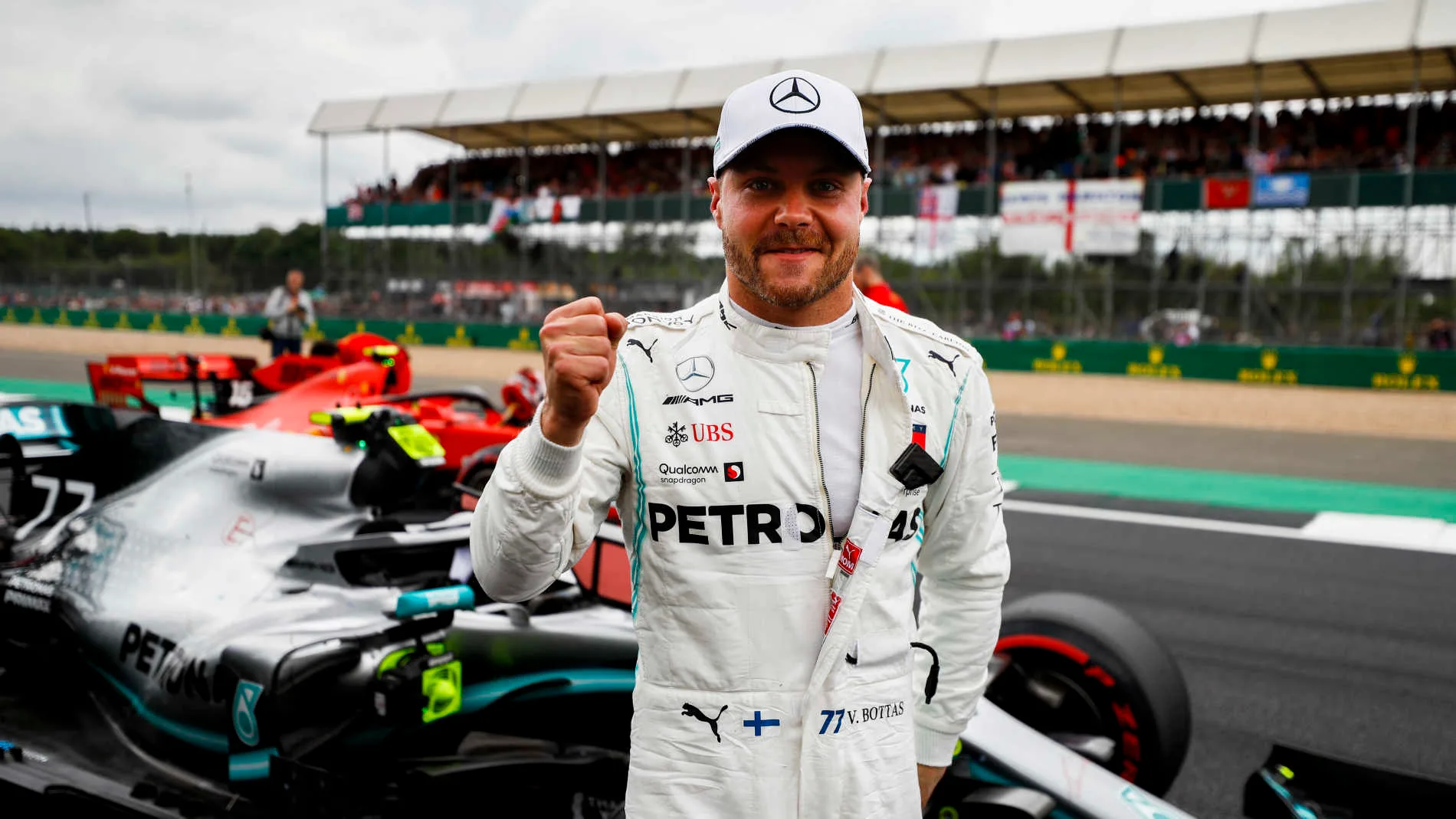
Haas pair Esteban Ocon and Oliver Bearman have felt the same shift, though they read it differently. Ocon has been struck by how the driving itself has changed. "On quali-style runs, we are doing like lift-and-coast and stuff. That's a very new thing to do," he said. "If you stay full throttle, you are basically putting the handbrake at the end of the straight, and if you lift and coast, it's not that much." For all the frustration, Ocon can't hide that the raw speed is something else: "I never thought I would get to 350km/h that fast. It's something insane, honestly."
Bearman is less enchanted. "The annoying thing is definitely the energy management, the clipping and all of these things," the rookie said. Adapting has been a mental adjustment as much as a technical one. "Feeling it in reality for the first time is a little bit sad," he admitted.
The concern is not universal. F1 CEO Stefano Domenicali has repeatedly defended the 2026 rules, arguing the energy-management era is closer to the sport's turbo history than the critics allow. But Spa, with its long climb through Eau Rouge and up the Kemmel straight, is exactly the layout that punishes a car for spending its battery too early. Expect drivers to short-shift, lift metres before the braking zones, and nurse deployment lap after lap.
The Belgian Grand Prix will be the clearest test yet of whether the racing that produces is thrilling or, as Bearman put it, a little bit sad.
---
*Originally published on [Newsformula One](https://newsformula.one/article/spa-braces-for-f1s-2026-energy-trap-after-silverstone). Visit for full coverage.*