
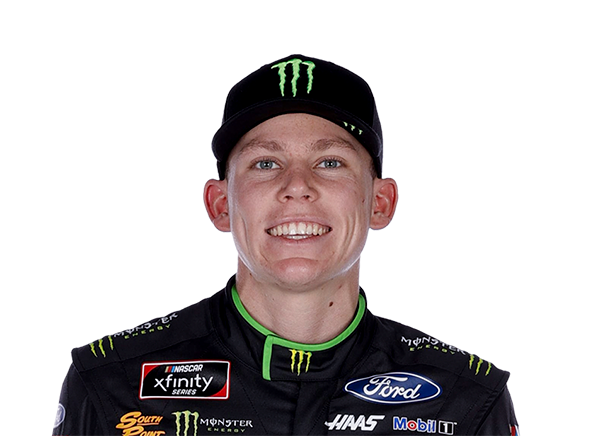
At just 25 years old, Riley Dederick Kern Herbst represents a new generation of NASCAR talent making their mark in the sport's premier division. The Las Vegas native has carved out a unique path to the Cup Series, transitioning from a successful amateur karting career to become one of the youngest full-time drivers in NASCAR's top tier with 23XI Racing.
Born on February 24, 1999, Herbst's journey into professional motorsport began early, following a familiar trajectory through karting before making the leap to stock car racing. His progression through NASCAR's developmental series showcased the determination and skill that would eventually earn him a coveted seat in the Cup Series.
Herbst's NASCAR career began in earnest in the Xfinity Series, where he honed his craft driving for some of the sport's most respected organizations. His time in the second-tier series provided crucial experience in stock car racing fundamentals, from learning the intricacies of NASCAR's aerodynamic packages to mastering the art of pack racing at superspeedways.

Looking Ahead
The transition to Cup Series competition represents the culmination of years of development work. Herbst's arrival at 23XI Racing, the team co-owned by NBA legend Michael Jordan and NASCAR Hall of Famer Denny Hamlin, signals both the organization's commitment to developing young talent and Herbst's potential as a future contender.
23XI Racing has quickly established itself as a formidable presence in the Cup Series since its inception in 2021. The team's Toyota partnership provides Herbst with top-tier equipment and technical support, crucial elements for success in NASCAR's increasingly competitive landscape. The No. 35 Toyota Camry XSE serves as Herbst's weapon of choice as he navigates the demanding 36-race Cup Series schedule.
The learning curve in Cup Series competition is notoriously steep, with even the most talented drivers requiring time to adapt to the unique challenges of NASCAR's premier division. The cars are more powerful and aerodynamically complex than their Xfinity Series counterparts, while the competition level represents the pinnacle of stock car racing talent from around the world.
Herbst's youth works both for and against him in this environment. While he may lack the decades of experience possessed by veteran competitors, his adaptability and willingness to embrace new technologies and racing techniques serve him well in a sport that continues to evolve rapidly. The Next Gen car era has somewhat leveled the playing field, creating opportunities for drivers like Herbst to make their mark more quickly than might have been possible in previous generations.
Career Journey
The statistical profile of any young driver in their early Cup Series career often fails to capture the full picture of their development and potential. Raw numbers like wins, podiums, and poles tell only part of the story, particularly for drivers adapting to the highest level of competition while simultaneously building chemistry with their teams.
Race Results
What matters more in these formative years are the incremental improvements, the lessons learned from each race weekend, and the gradual building of speed and consistency. Every practice session, qualifying attempt, and race provides valuable data points that contribute to long-term success, even if immediate results don't always reflect the progress being made.
Herbst's partnership with 23XI Racing creates an environment conducive to this development process. The team's relatively recent entry into NASCAR means they're building their program alongside Herbst's career progression, creating a symbiotic relationship where both driver and organization grow together. This dynamic often produces strong long-term results as systems and relationships mature simultaneously.
The technical support available through Toyota's NASCAR program provides another significant advantage. The manufacturer's commitment to driver development and technical excellence offers Herbst access to cutting-edge simulation tools, aerodynamic data, and engine technology that can accelerate the learning process.
Looking ahead, Herbst's career trajectory will likely be measured in incremental gains rather than immediate breakthroughs. The modern NASCAR landscape rewards consistency and gradual improvement, with many of today's top drivers having taken several seasons to establish themselves as regular contenders.
The 2024 season represents a crucial period for Herbst's development, offering opportunities to build upon previous experiences while working toward that elusive first breakthrough performance. Each race weekend brings new challenges, from the high-speed ovals like Daytona and Talladega to the technical road courses and the grueling 600-mile test at Charlotte.
Success in NASCAR's Cup Series requires mastery of an incredibly diverse range of racing disciplines, all while managing the intense physical and mental demands of a season that stretches from February through November. For a young driver like Herbst, this represents both the ultimate challenge and the ultimate opportunity.
As the 2024 season unfolds, Riley Herbst continues building the foundation for what he and 23XI Racing hope will become a successful long-term partnership. While the statistics may not yet reflect championship-caliber performance, the potential remains evident for a driver who has already achieved his childhood dream of competing at NASCAR's highest level.