
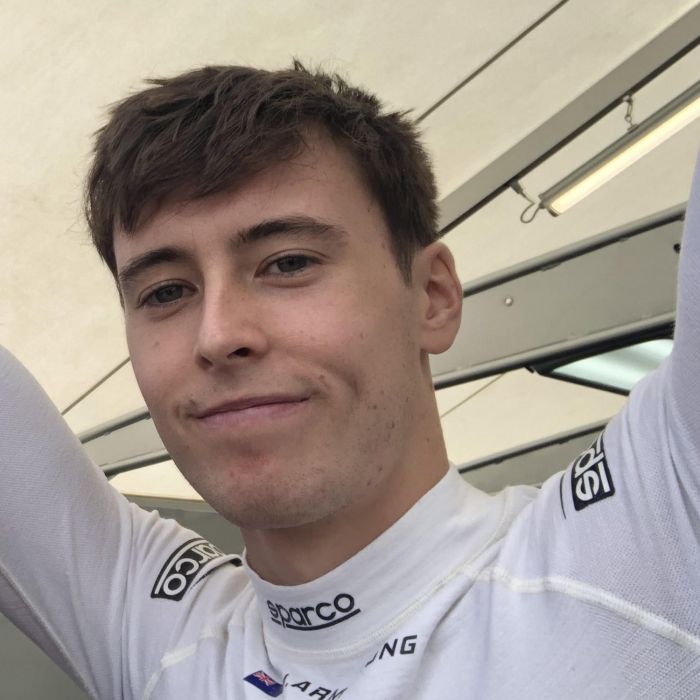
At just 23 years old, Marcus John Armstrong represents the new generation of international talent making waves in American open-wheel racing. The New Zealand driver's journey from karting prodigy to IndyCar competitor with Meyer Shank Racing tells a compelling story of persistence, adaptability, and the ever-evolving landscape of modern motorsport.
Born on July 29, 2000, Armstrong's motorsport journey began at age 10 when he first stepped into a kart in 2010. What started as a childhood passion quickly evolved into serious competition, with the young Kiwi securing major karting titles from 2011 onwards. This early success laid the foundation for what would become a methodical climb through motorsport's junior categories.
Armstrong's transition to single-seaters came during the 2014-15 New Zealand Formula Ford Championship, marking his first taste of open-wheel racing while still maintaining his karting commitments. This dual approach demonstrated the work ethic and versatility that would define his early career development.
Championship Implications
The breakthrough moment came in 2016 when Armstrong expanded his racing portfolio with campaigns in the highly competitive BRDC British Formula 3 Championship and both Formula Renault 2.0 series. These programs showcased his ability to adapt quickly to different cars and racing environments, catching the attention of one of motorsport's most prestigious talent development programs.
Career Journey
In November 2016, Armstrong received the call that would reshape his career trajectory – an invitation to join the Ferrari Driver Academy. Confirmed as a member the following month, he joined an elite group of young drivers backed by the Italian marque's considerable resources and expertise. This association with Ferrari would prove instrumental in his development over the next five years.
Race Results
The 2017 Toyota Racing Series campaign with M2 Competition provided immediate validation of Ferrari's investment. Armstrong secured three victories and finished fourth overall, demonstrating the racecraft and speed that had earned him a place in Ferrari's stable. This performance set the stage for his assault on Formula 3, where he would make his biggest impression on the international stage.
Armstrong's 2019 Formula 3 campaign stands as the highlight of his junior career to date. Fighting for the championship until the final rounds, he ultimately finished as series runner-up – a result that firmly established him as one of the brightest prospects in open-wheel racing. The near-miss championship run opened doors to Formula 2, motorsport's primary feeder series to Formula 1.
Between 2020 and 2022, Armstrong competed in the FIA Formula 2 Championship, facing the sport's most promising young drivers in highly competitive machinery. While wins proved elusive during this period, the experience provided invaluable preparation for top-level motorsport and exposed him to the pressures and politics of Formula 1's support series.
Armstrong's association with the Ferrari Driver Academy concluded in 2021, marking the end of a four-year relationship that had shaped his formative years as a professional driver. The parting of ways, while disappointing for Formula 1 aspirations, opened new opportunities across the Atlantic.
The transition to IndyCar with Meyer Shank Racing represents both a fresh start and a pragmatic career move. The American series has become an increasingly attractive destination for international talent, offering close competition, diverse circuits, and a growing global profile. For Armstrong, it provides the opportunity to race at motorsport's highest level while building a sustainable career in professional racing.
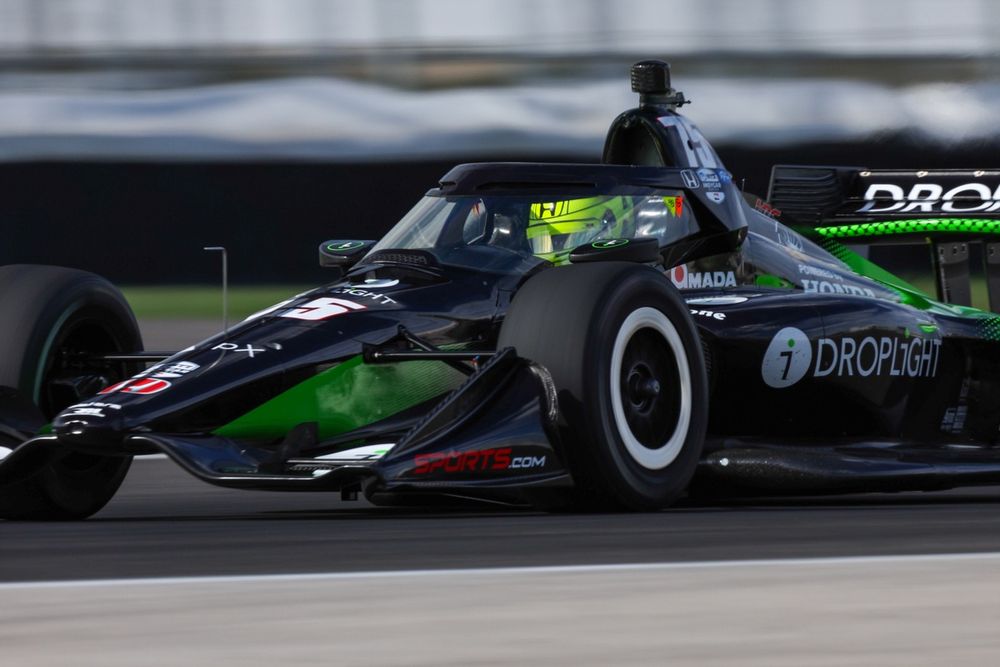
Driving the No. 66 Honda for Meyer Shank Racing, Armstrong joins a team with proven credentials and championship aspirations. The team's recent success, including Indianapolis 500 victories, provides the infrastructure and expertise necessary for a successful IndyCar campaign. The Honda partnership adds another layer of technical support, crucial for a driver adapting to American racing's unique challenges.
Currently, Armstrong's IndyCar statistics show zeros across the board – no wins, podiums, poles, or points. However, these numbers reflect the reality of transitioning to a new series rather than any lack of ability. IndyCar's notoriously steep learning curve has challenged many accomplished drivers, and success often comes to those who persist through the initial adaptation period.
The challenges facing Armstrong in IndyCar extend beyond mere statistics. The series demands proficiency across dramatically different circuit types – from high-speed ovals to street circuits and traditional road courses. Each discipline requires specific skills and setup knowledge that can take years to master. Additionally, the competitive depth in IndyCar means that even small margins in performance translate to significant championship positions.
Armstrong's background suggests he possesses the tools necessary for IndyCar success. His junior career demonstrated adaptability across different series and regulations, while his Formula 2 experience provided exposure to international-level competition and pressure. The technical knowledge gained through Ferrari's program offers additional advantages in car development and racecraft.
Looking ahead, Armstrong's IndyCar career represents both personal opportunity and broader trends in international motorsport. As Formula 1 opportunities become increasingly limited, talented drivers are exploring alternative paths to maintain careers at motorsport's highest levels. IndyCar's growing international profile and competitive quality make it an attractive destination for drivers like Armstrong who possess the speed and professionalism to compete at the top level.
For New Zealand motorsport, Armstrong's IndyCar presence continues a proud tradition of Kiwi drivers making their mark in American racing. His success could inspire the next generation of New Zealand drivers while strengthening the country's motorsport connections with the United States.
Marcus Armstrong's journey from New Zealand karting to IndyCar illustrates the modern path for ambitious young drivers. While his current statistics may show zeros, his comprehensive background and proven adaptability suggest that breakthrough results could arrive sooner rather than later.