
The defining public critique of Formula 1's 2026 regulations has been delivered, repeatedly, by Lando Norris: the new power-unit-heavy format has produced a back-and-forth style of racing he has called "yo-yoing" — drivers passing and re-passing each other on straights because of energy-deployment mismatches rather than outright pace. Max Verstappen has publicly co-signed that critique. Most of the paddock's drivers have, at minimum, nodded along.
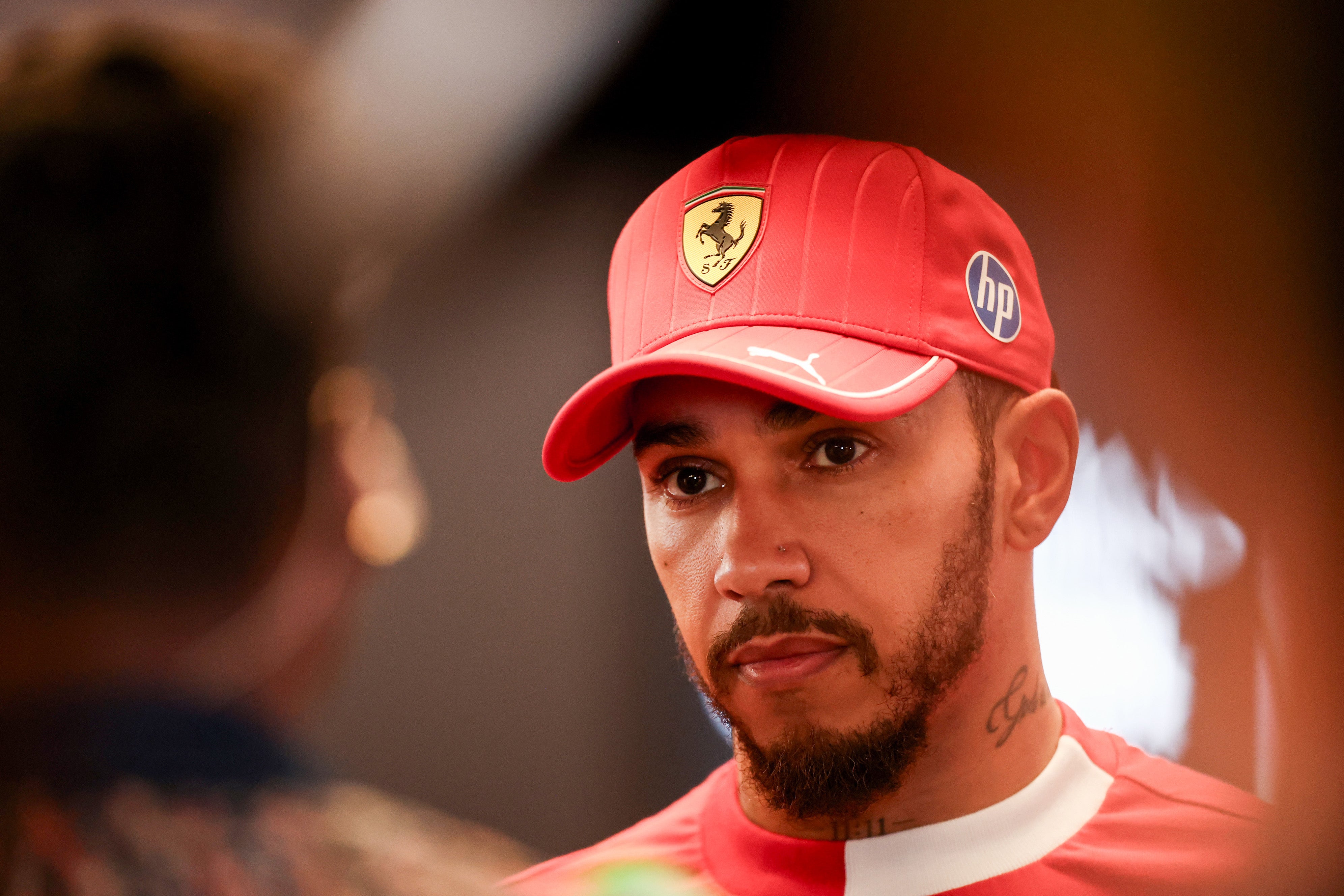
Lewis Hamilton has not. In a rare piece of direct disagreement with the sport's younger vocal centre, the seven-time world champion this week defended the 2026 racing dynamic — and did so by pointing at karting.
"Um and my point I was making earlier is that in karting, no one's — it happens in karting all the time, back and forth, back and forth," Hamilton said. "No one ever calls it yo-yo racing. It's real racing. So, whoever's coming up with that is — yeah, that's it."
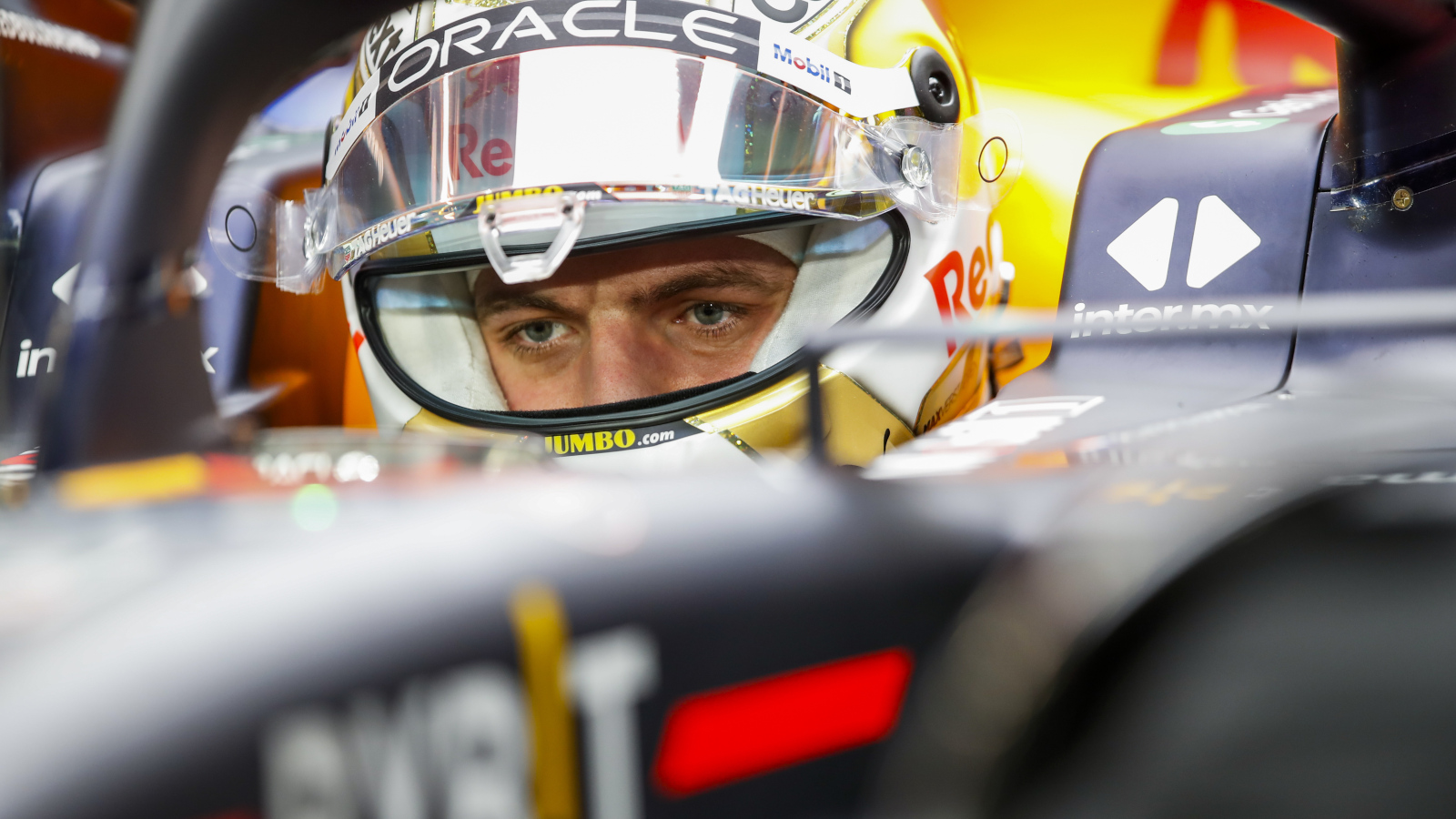
It is a quietly unusual intervention from Hamilton. The Ferrari driver has, across the opening three races of his first full season in red, been publicly respectful of the team's engineers, tactical about its limitations, and careful about where he inserts his own personal views into ongoing paddock debates. On the biggest structural controversy of the 2026 season, he has now taken a position.
The argument is a specific one. Hamilton's point is that the 2026 racing dynamic — repeated passing, repeated counter-passing, lead changes inside a single lap — is not a product of a broken rule set. It is the sport going back to the racing style of its own grassroots.
The supporting evidence he offered was personal. Earlier in the same press session, Hamilton was asked what he had enjoyed about the 2026 cars, and he answered with an unprompted memory of the Saudi Arabian Grand Prix battle with his teammate Charles Leclerc.
"That race I had with Shal just in the second race was one of the most fun races I've had," Hamilton said. "I think other than that, maybe me and Nico in Bahrain many years ago. Um, so I just hope we get more of that because it's — it's that's what racing is about. It's like back and forth, back and forth rather than one take and then it's over."
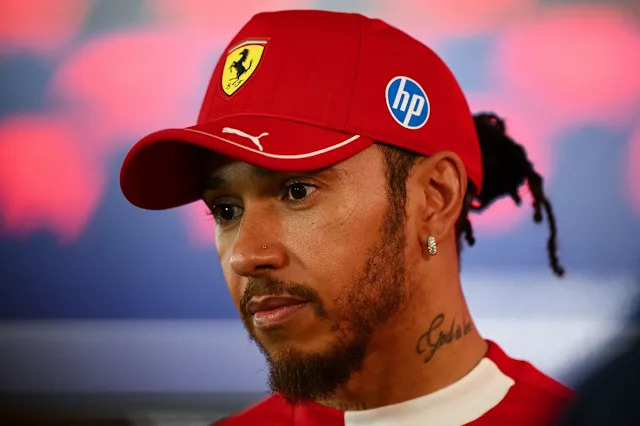
The Nico reference is to Nico Rosberg and the 2014 Bahrain Grand Prix — a race widely regarded as one of the best one-on-one team-mate duels of the hybrid era. For Hamilton to put his second race in Ferrari colours alongside that Bahrain benchmark is a meaningful rating. It is not the quote of a driver who believes the 2026 racing has been degraded by its energy-management quirks.
He went further on the broader question of whether the 2026 regulations themselves are a net positive for the sport.
"Obviously, there's lots of different views on um this year's generation of car," Hamilton said. "But I mean, for me, it's just exciting that it is a new era for the sport. I think every time it has been a new era, it's always been exciting to see where people come out. And I'm proud of the team — the work we've done over the last year to get us to this point and be closer to the front and in the battle. I think is really a showing of the amazing work the team's done."
The phrasing — "every time it has been a new era, it's always been exciting" — is almost an explicit response to Norris. It positions the 2026 regulations inside a long line of Formula 1 rule changes rather than treating them as an exceptional break with the sport's fundamentals.
There are two ways of reading Hamilton's position. The first is that he genuinely believes it, sees the passing dynamic as a feature rather than a bug, and treats the Saudi battle with Leclerc as empirical evidence that the formula works. The second, which will be argued in the paddock this weekend, is that a driver who has moved teams into an underdog season has a rational incentive to defend a rule set under which his team is recovering.
Both can be true. What is not in dispute is that Hamilton is the most accomplished driver on the grid, and he has now publicly disagreed with the younger champion leading the 2026 revolt. Whether Norris' view or Hamilton's view prevails in the pre-Miami FIA meeting on rule refinements will decide more than the next five races. It will decide whether the 2026 championship is remembered as a regulatory failure that had to be patched, or a courageous reset that delivered racing closer to the sport's grassroots than F1 had allowed itself to get in a decade.
---
*Originally published on [News Formula One](https://newsformula.one/article/hamilton-defends-yo-yo-racing-karting-comparison-leclerc-fun-race-2026). Visit for full coverage.*