
Formula 1's 2026 cars are the first in roughly a quarter of a century to get lighter rather than heavier. The minimum weight fell 32kg to 768kg, the wheelbase is 20cm shorter and the cars are 10cm narrower. FIA single-seater director Nikolas Tombazis will take the credit for that — and then tell you it is nowhere near enough.
"The cars are a bit lighter and a bit smaller, which the drivers have appreciated," Tombazis told select media including Autosport. "Now, is that where I would like us to be? No. I would like us to be another 80 kilos lighter, and maybe still a bit shorter and a bit smaller in the future."
That is not achievable inside the current cycle. It is the target for the next set of regulations, due in 2031, or 2030 if there is enough support for bringing them forward.

On the chassis side, Tombazis argues the much-criticised 2026 package has quietly done its job. The FIA's own data puts the effect of dirty air back at the level seen in the first year of the previous ruleset, and he believes the loopholes have been harder to prise open this time.
"I believe we are similar to where we were at the start of the 2022 championship, but I think it's a bit more robust this year," he said. "The various aerodynamic solutions they've had, we haven't found something that has broken the concept, whereas in the previous regulations there were a few things that actually did significantly compromise the concept."
He is also unapologetic that the cars remain awkward to drive. "I think when we have the 22 best drivers in the world, we should also have cars that are not exactly easy for my grandma to drive."
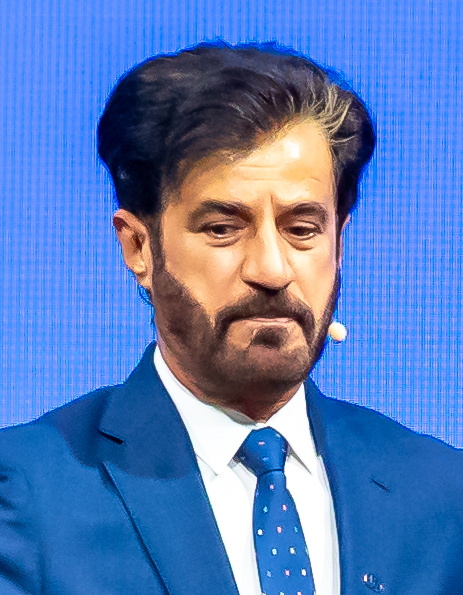
"What is the worst thing in the cars now? Complexity, more money, expenses, and also a big car," Ben Sulayem said. "A big and heavy car means what? Means it is not safe. [...] But now I would like to see a car, a total complete car for less than 650 kilograms. My target is 630."
His route there is a naturally aspirated V8 with a small hybrid element. "As an engine alone, much lighter, enjoyable, and the sound will come for the spectators," he said, adding that the switch would also cut research and development costs.
The manufacturers are not lined up behind him. Motorsport.com's Roberto Chinchero reported from the Austrian Grand Prix paddock that Ferrari, Cadillac and Red Bull-Ford Powertrains are keeping an open mind on the FIA's naturally aspirated concept, while Mercedes and Audi lean towards a turbocharged unit with more relevance to road cars. A turbo would blunt exactly the noise Ben Sulayem is chasing.
One engineer quoted by Chinchero questioned whether the sound argument survives contact with a race distance at all: "It's one thing to watch a road show with a single naturally aspirated car running alone for 10 minutes. But it's something else entirely to have 22 cars on track for a two-hour race. Are we really sure this is what the audience will want in 2030?"
The weight target has also revived an idea that looked buried. With a simplified power unit and smaller batteries, the FIA is aiming at roughly 700kg, and a return of in-race refuelling — banned since the end of 2009 — would strip more than 50kg off the cars at lights out via a smaller fuel tank. The objection now is logistical rather than safety-related: F1 cut tyre allocations from 13 sets to 11 in 2023 on sustainability grounds, and hauling refuelling equipment to every race is a hard U-turn to justify.
None of this is settled, and it sits alongside a shorter-term argument. Autosport's Stuart Codling reported in June that proposals to move the power unit split towards 60/40 in favour of the internal combustion engine for next season are already well advanced, with teams positioning around whatever protects their current hardware.
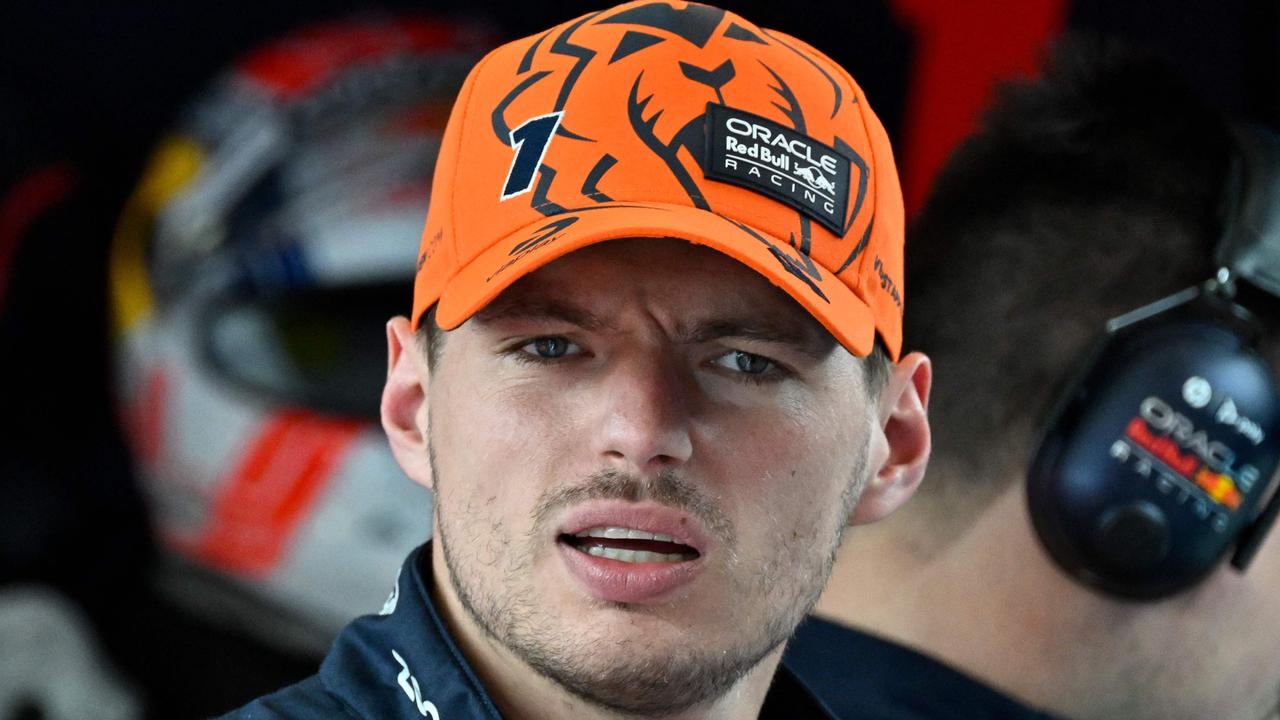
The drivers have been asking for this for two years. When the 2026 rules were confirmed, Lewis Hamilton said the cars were "still heavy". Max Verstappen wanted them 100-150kg lighter. On Ben Sulayem's numbers, they would finally get it — five years later, and only if six engine manufacturers can agree on how.
---
*Originally published on [News Formula One](https://newsformula.one/article/fia-targets-f1-cars-80kg-lighter-the-engine-makers-are-split). Visit for full coverage.*