
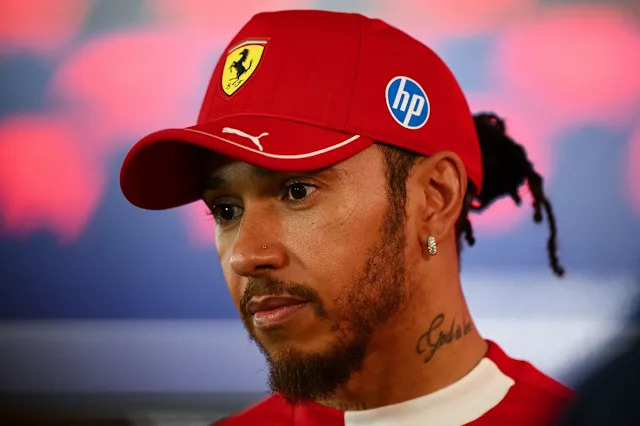
Two weeks after Lewis Hamilton won in Barcelona and set off a wave of Ferrari title talk, the team's long-awaited engine upgrade made its debut in Austria — and the hype train came off the rails.
Ferrari qualified well, Leclerc and Hamilton splitting the Mercedes pair before George Russell's late pole. Sunday was a different story. Hamilton came home fifth, almost half a minute off the win; Leclerc trailed in eighth, another 19 seconds back. Ferrari was beaten by Mercedes, jumped by the upgraded Red Bull and pipped by McLaren — fourth best on a day it had expected to fight for the podium.
The upgrade was real, but the gap it was trying to close is bigger. As The Race explained, Ferrari only qualified for a mid-season engine update because F1's new ADuO equalisation rankings judged its internal combustion engine more than four percent off the benchmark; the outlet's sources believe the true deficit to the Red Bull powertrain is closer to six to eight percent. At a power-hungry circuit like the Red Bull Ring, with few heavy braking zones to recover energy, that shortfall was brutally exposed.
The drivers felt it. Antonelli, in the post-race cool-down room, said the red cars "were deploying so weirdly, I almost crashed with Leclerc in turn one." Hamilton reckoned Mercedes "had far more power than everybody else" and admitted he didn't know where it was coming from. He called the weekend a reality check for the team.
Strategy made a bad day worse. Ferrari tried to copy the aggressive Barcelona plan — early stop, soft tyres, undercut — in very different conditions. With track temperatures near 50 degrees and a tyre it already struggles to manage, the gamble never had a chance. Team principal Fred Vasseur admitted Ferrari pushed too hard early, reacted too aggressively and focused on the wrong rivals. "Realistically, that wasn't our race today," he conceded.
Leclerc, who called the form swing difficult to understand, was philosophical about the calls. "You can always do slightly better with hindsight," he said. "But I think whenever the pace is not good, whatever strategy you do, it doesn't look great."
The wider picture troubles Ferrari most. Autosport's Stuart Codling, reporting from Spielberg, described "this weird up and down procession through the race weekend — sometimes best of the rest, sometimes not," and said the team still cannot explain why the pace that was there in Barcelona vanished in Austria. Codling also took aim at the equalisation circus itself: "Why are all the engine manufacturers falling over one another to say our engine is rubbish? Absolute madness."
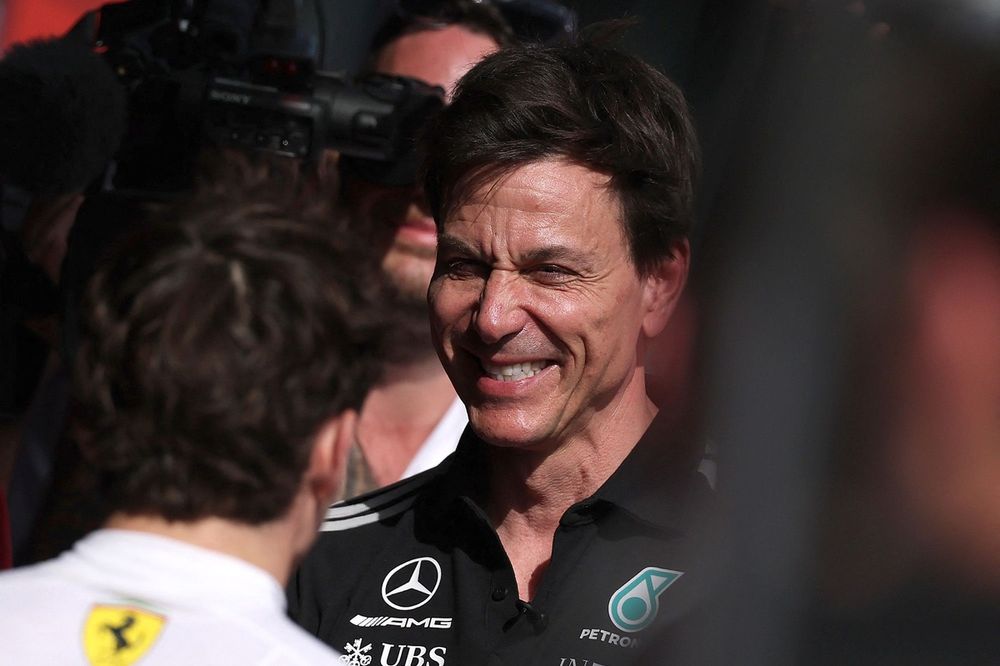
There is little immediate relief. The turbo improvement that might address Ferrari's straight-line weakness is not due until after the summer break, around Zandvoort and Monza. Next up is Silverstone — long straights, few recharge zones, an energy profile much like Austria's. Hamilton, chasing a result on home soil, may need the crowd more than the car.
---