
Formula 1 has stopped for four weeks, but the argument that will settle the 2026 championship has not. Eleven rounds in, the teams at the front agree on the diagnosis and disagree on almost everything else: the title will be decided by who develops fastest, and by who can afford to.
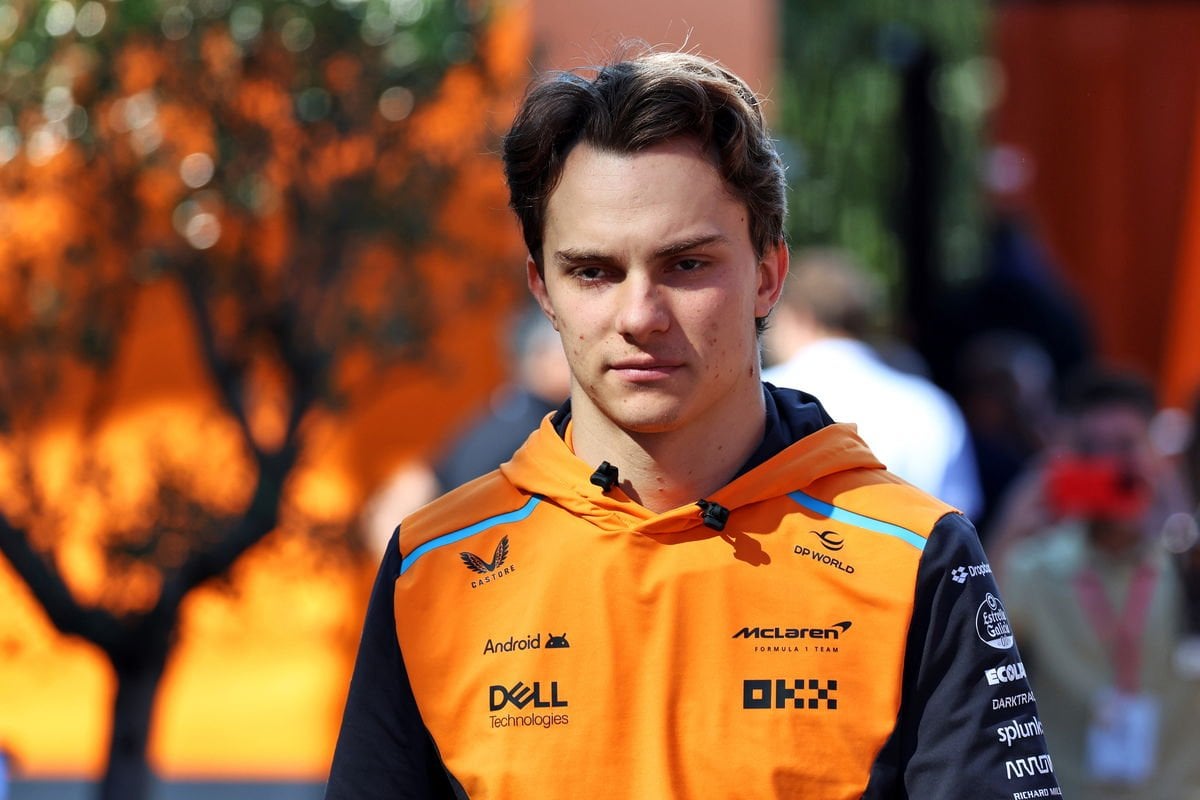
McLaren has just supplied the clearest evidence. Lando Norris won in Hungary by 15 seconds from pole after the team updated five components on the MCL40 - a modified rear wing endplate, a new floor and floor board, revised front and rear corner furniture and an enlarged brake cooling outlet. A team that had spent much of the season in third suddenly had the measure of Mercedes and Ferrari.
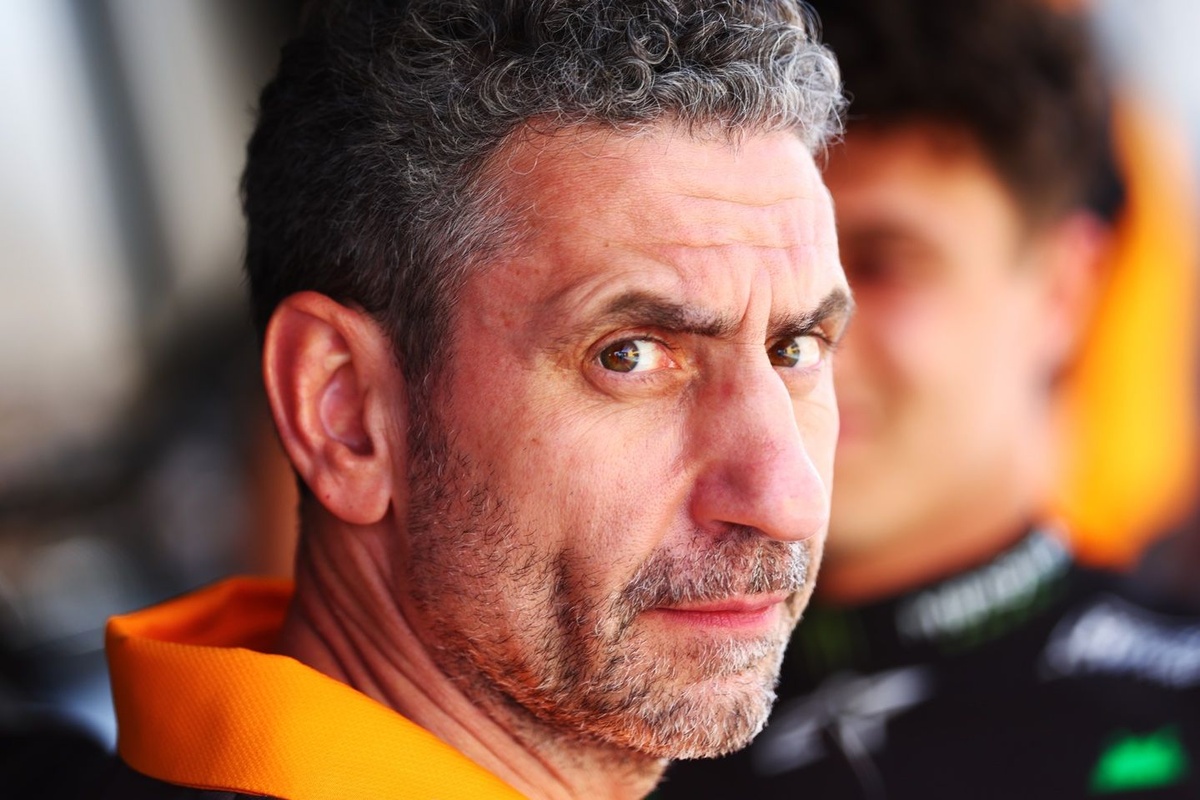
Speaking to Motorsport.com after the race, team principal Andrea Stella was careful not to read it as a permanent shift.
"The improvement from a competitiveness point of view can be entirely ascribed to the upgrades that we took here. But at the same time, we were sort of thinking that this lap time step [would] not necessarily have been enough to be in pole position at the Hungaroring."
His wider point was the one that should worry the rest of the grid. Stella expects the development curve to stay steep all the way to the finale.
"I expect that the car that will be the best car at the end of the season will keep adding tenths of a second in the next 11 races, probably as much as half a second. So, definitely a lot of work ahead of everyone, not only McLaren."
That is a different world from the end of the ground-effect era, when new parts bought hundredths. The Race, in its analysis of what it called the $215million war that will decide F1 2026, quoted Stella putting the typical gain from an upgrade package this year at "two to three tenths of a second" - steps large enough to move a car from midfield to the podium in a single weekend, as Ferrari's Barcelona package and Red Bull's Austria revamp both showed.
The money is where the agreement ends. Toto Wolff has described Ferrari as a team that "seems to be limitless" in the way it delivers upgrades - a remark Fred Vasseur took as an insinuation that Ferrari is somehow getting around the $215m cost cap, and rejected publicly. Vasseur's explanation is strategic rather than suspicious: Ferrari deliberately front-loaded its spending so it could enjoy the performance uplift across the greatest number of races, and will accept a thinner second half as the price.
Vasseur has also argued that the FIA's public upgrade declarations, mandatory since 2022, distort the picture. Teams interpret the documentation differently, so one team can appear to be changing its car far more aggressively than another when the reality is closer than it looks.
Aston Martin and Williams took the opposite bet, holding money back to fund B-spec cars - Aston's arrived in Hungary, Williams's is due in Azerbaijan in September. For a team at that end of the grid the trade-offs are blunter still. Williams chairman Matthew Savage put it plainly to The Race Business: "We're still making trade-offs between: do we put in a new accounting system or parts of an accounting system, or do we put an upgrade on the car?"
Mercedes, which won the first six races from pole and has taken only two of the last five, is the team with the most to lose from an arms race. Deputy team principal Bradley Lord's message on the Nu Silver Arrows Radio Show was deliberately unexcited.
"We're approaching the summer break, and, while we're only halfway through the season, in many ways the hard part begins afterwards. That's when the pressure starts to build."
Lord's argument is that the second half punishes teams that chase. "Success in that environment comes from remaining calm and disciplined. It's not about moving at a frantic pace. It's about making sure every decision is measured and every step forward is properly planned."
He was specific about what that looks like at Brackley right now: "We're looking carefully at the upgrades that are progressing through the factory, evaluating the opportunities available on both the power unit and chassis side, and making sure we introduce performance at the right time without overreaching."
So the four contenders head into the shutdown with four different theories. Stella wants volume. Vasseur has already spent. Lord wants restraint. Wolff wants to know how Ferrari is doing it. Mercedes leads the constructors' standings by 72 points from Ferrari, with McLaren third on 220 - a cushion built when the W17 was untouchable, and one that only holds if the next half a second lands in the right garage.
F1 returns at Zandvoort on 23 August.
---