
Formula 1's turbo-hybrid era has not even begun — the 2026 power units hit the track for the first time next season — and the sport is already sketching out what replaces them. The direction is loud, light and cheap: a V8.
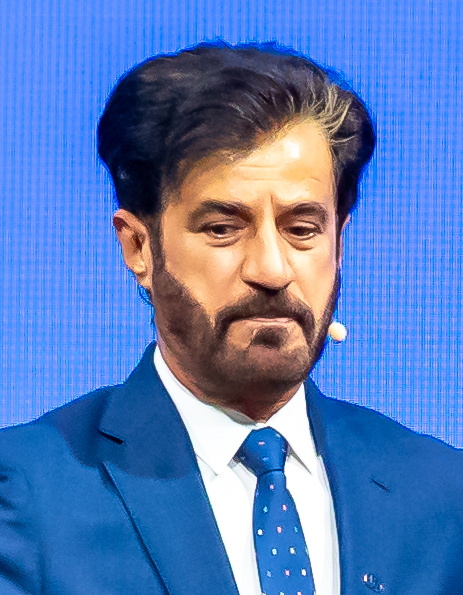
Both the FIA and F1's commercial side have made little secret that they view the incoming 2026 engines, which split power roughly 50/50 between the combustion engine and a heavy battery, as too complex and too expensive. FIA president Mohammed Ben Sulayem and F1 CEO Stefano Domenicali have both floated a return to the simpler, naturally aspirated engines F1 ran through the 1990s and 2000s.
An early V10 revival was parked after a summit in Bahrain, where most manufacturers were unconvinced. What survived was a 2.4-litre V8 running on fully sustainable fuel with a smaller hybrid element — the electrical contribution cut from around half of total output to perhaps 10-15%. On the outline the FIA is working to, the engine would rev to 16,000rpm, make around 880bhp, and allow cars roughly 150kg lighter than today's, about 650kg in qualifying trim, with the engine cost cap cut by around 30%.
The timing is where it turns political. According to The Race, Ben Sulayem had called manufacturers to a London summit before abandoning it and writing to the teams that the focus was now 2031, not an earlier switch. Red Bull and Cadillac were said to favour 2029; Mercedes and Ferrari preferred 2030; Honda and Audi wanted nothing before the current cycle ends. Any change before 2031 needs a super-majority of manufacturers, and the numbers were not there.
Ben Sulayem, The Race reported, had earlier called a cheaper V8 "common sense" for the manufacturers to accept. Their appetite has cooled. "The world has changed" was the message several gave him, according to the outlet — a nod to US tariffs, governments backtracking on electric-car rules, and a slowing Chinese economy squeezing balance sheets. Mercedes boss Toto Wolff has warned against forcing manufacturers to bankroll two engine programmes at once. "Would it really have been worth it for just a single year?" one source asked, on why 2030 made little sense before another rules reset in 2031.
The newest twist, floated over the British Grand Prix weekend, goes further than the engine itself. The FIA is exploring an independent, approved V8 supplier — a modern-day Cosworth — so customer teams could buy a neutral engine rather than depend on Mercedes, Ferrari, Honda, Ford or Audi. Ben Sulayem's argument is about power: manufacturers, he believes, hold too much political sway over the teams they supply, down to how those teams vote on regulations. Refuelling, banned since 2010, is back under discussion too, partly because a thirstier V8 would otherwise demand a heavier fuel load.
Reaction has been split. On The Hot Lap, the host welcomed lighter cars, the V8 noise and less manufacturer leverage over independents, while cautioning that an FIA-run engine could hand the governing body too much influence and blur F1's identity as a constructors' championship. Zak Brown has previously said owning a full powertrain makes commercial sense for McLaren if the economics work; Renault, by contrast, backs V8s but has no plans to build one.

---
*Originally published on [NewsFormula.one](https://newsformula.one/article/f1-eyes-v8-return-refuelling-and-independent-engine-by-2031). Visit for full coverage.*